

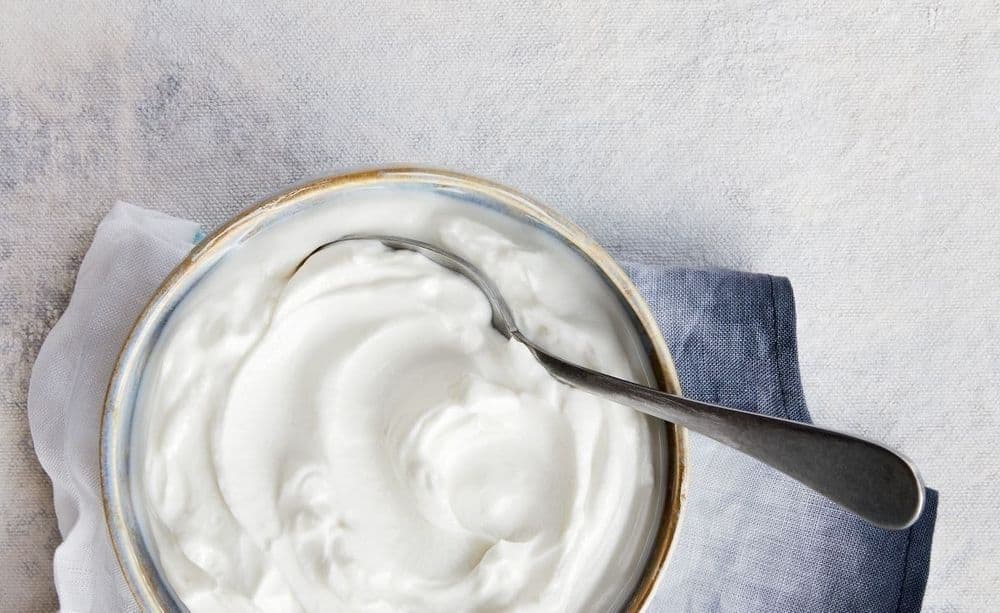
Can Yogurt Help Remove Microplastics From Your Body?
Research suggests certain probiotic strains may help excrete microplastics.
Yogurt can introduce microplastics and phthalates through its packaging, but emerging research suggests it may also help your body eliminate some of them. The key lies in the live bacteria found in certain yogurts, which appear to bind plastic-related compounds and increase their excretion.
This does not mean yogurt removes microplastics completely or cancels out exposure. The current evidence points to partial reduction, not full protection, and results depend on the type of bacteria, frequency of intake, and overall exposure. Still, it offers a rare case where a common food may both contribute to and help mitigate a modern environmental issue.
Can yogurt help remove microplastics from your body
Some probiotic strains found in yogurt appear to help the body clear microplastics more efficiently.
In controlled animal studies:
- Lactobacillus plantarum increased microplastic excretion by 34 percent
- Residual plastic particles in the gut dropped by 67 percent
- The effect was observed specifically with polystyrene particles
The mechanism is physical, not chemical.
- Bacteria bind to microplastic particles in the gut
- These complexes are less likely to be absorbed
- More is carried out through digestion and eliminated
This is not a detox in the marketing sense. It is a measurable shift in how the body handles exposure.
What human studies show about yogurt and phthalates
Large population data suggests yogurt consumers may carry lower levels of plastic-related chemicals.
A study analyzing nearly 8,000 people from NHANES found:
- Yogurt intake was associated with lower urinary phthalate levels
- The relationship held after adjusting for diet and lifestyle patterns
- Urine testing was used to estimate recent exposure
This type of research cannot prove cause and effect.
- It shows a consistent association
- It suggests a possible protective role of probiotic-rich foods
- It does not isolate yogurt as the only explanation
Where yogurt exposure to microplastics comes from
Most plastic exposure in yogurt comes from packaging, not the dairy.
- Plastic tubs can shed microscopic particles
- Yogurt acidity can increase migration even in cold storage
- Transport and handling may increase particle release
Phthalates are another concern.
- They are used to make packaging flexible
- They are not tightly bound and can leach into food
- They are linked to hormone disruption in human studies
Research shows:
-
Around 96 percent of pregnant women have detectable phthalates in urine
-
Exposure has been associated with reduced testosterone and sperm count
-
Default Assumption that ingredient labels reflect total exposure is incomplete
-
Packaging is a major and often ignored source
Why probiotic bacteria may help
Certain lactic acid bacteria interact directly with plastic-related compounds.
Research shows:
- Lactobacillus strains can bind bisphenol A in food systems
- Binding reduces the amount available for absorption
- Similar mechanisms are being studied for microplastics and phthalates
In simple terms:
- The bacteria act like carriers
- They attach to unwanted compounds
- They help move them out of the body
This effect likely depends on:
- The specific strain
- The amount consumed
- The consistency of intake over time
What this does and does not mean
Yogurt is not a solution to plastic exposure.
- It may reduce internal burden, not eliminate it
- Benefits are strain specific, not all yogurt qualifies
- Human evidence is still developing
Important distinctions:
- Direct findings come from lab and animal models
- Human data shows associations, not confirmed mechanisms
- Long term health impact is still being studied
Lowering exposure still matters more
Reducing plastic contact is still the most effective step.
- Glass containers eliminate direct plastic contact
- Paperboard with plant-based linings reduce migration risk
- Shorter storage time limits leaching
These options are less common but increasing.
- Some small producers use glass jars
- Alternative packaging is slowly expanding
What To Check when choosing yogurt
Both packaging and bacteria matter.
- Look for live and active cultures, especially Lactobacillus plantarum
- Choose glass packaging when available
- Avoid long shelf life products in plastic tubs
- Be cautious of “natural” claims that ignore packaging exposure
Buyer Checklist
- Choose yogurt in glass jars when possible
- Look for live cultures like Lactobacillus plantarum
- Avoid long storage times in plastic containers
- Do not rely on ingredient labels alone for safety
- Prioritize products with transparent sourcing and packaging
Check the latest on yogurt
Find the healthiest yogurts ranked and reviewed using the latest lab data, toxicology, and environmental health research.