

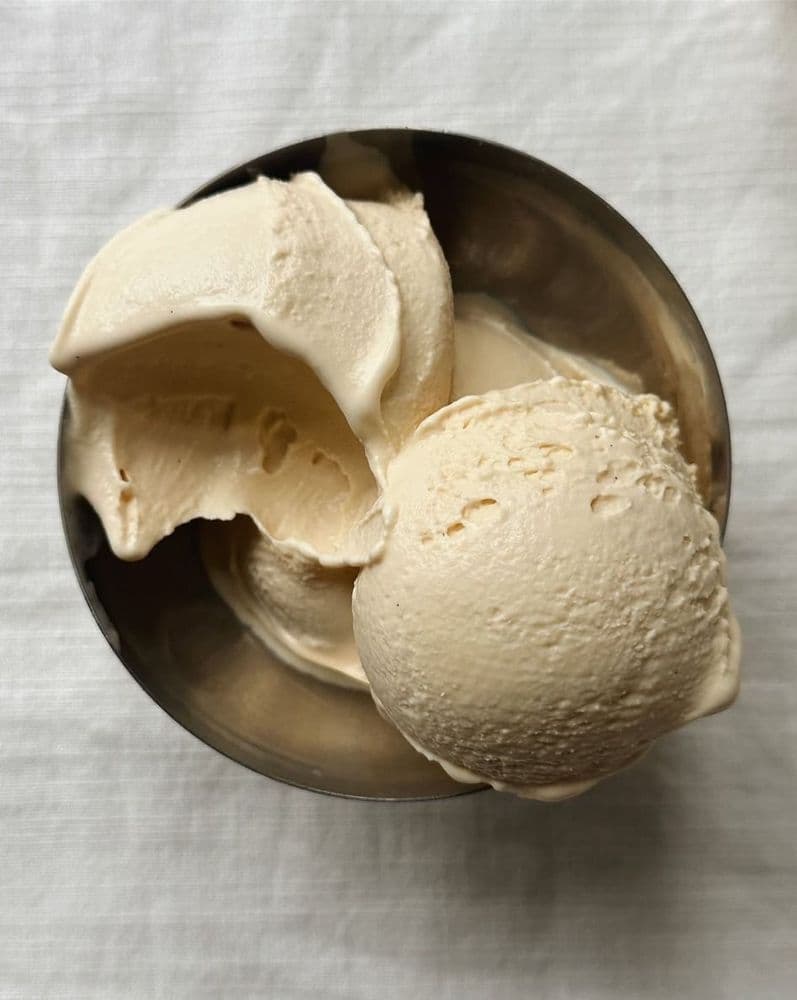
Why Some Ice Cream Is Not Legally Ice Cream
Many frozen desserts miss FDA standards. Here is how to spot them.
The biggest signal in the freezer aisle is not branding or packaging. It is the legal product name, which quietly reveals whether a product meets federal standards or has been reformulated with cheaper ingredients.
That shift matters, but it does not automatically mean a product is harmful or inferior. It shows how formulation choices, cost pressures, and labeling rules interact, and why understanding what is Legally Required versus what is simply marketed can change how you evaluate what you are buying.
Buyer Checklist
- Look for the legal name: “ice cream” vs “frozen dairy dessert.”
- Check for vegetable oils or oil-based fats in the ingredient list.
- Prioritize products where cream is a primary ingredient.
- Avoid long additive stacks when possible such as gums, emulsifiers, and stabilizers.
- Compare similar products by ingredients and processing, not shelf placement.
Why Some Ice Cream Is No Longer Legally Ice Cream
Walk through the freezer aisle and you may notice a subtle shift. Some familiar brands no longer label their product as ice cream.
Instead, terms like frozen dairy dessert appear. This is usually driven by regulation, not branding.
FDA Definition of Ice Cream
In the United States, the FDA defines ice cream under a standard of identity. These rules are Legally Required and determine what can be called ice cream.
Key requirements include:
- At least 10 percent milkfat by weight
- Minimum levels of milk solids
- Limits on formulation and processing
- Structural consistency tied to production methods
If a product falls below these thresholds, it must be labeled differently even if it looks identical.
Why Manufacturers Reformulate
Many products shift away from the legal definition due to cost and shelf stability. Dairy fat is one of the most expensive ingredients in ice cream.
Common changes include:
- Replacing cream with vegetable oils such as palm or coconut oil
- Increasing stabilizers and emulsifiers to maintain texture
- Adding corn syrup or corn syrup solids for sweetness and bulk
- Reducing total dairy content
Industry estimates suggest fat substitution alone can reduce ingredient costs by 20 to 40 percent depending on formulation.
Ingredient Swaps That Change the Product
Freezer aisle placement creates a Default Assumption that everything is ice cream. The ingredient list tells a different story.
What To Check when reading labels:
- Whether cream or oil is the primary fat source
- The number of additives used to stabilize texture
- Added sweeteners beyond sugar such as corn syrup solids
- The exact legal product name near the nutrition panel
Even small formulation changes can shift classification.
Emulsifiers, Gums, and Gut Health
Emulsifiers and stabilizers help replicate the mouthfeel of fat. They also allow manufacturers to incorporate more air and less dairy.
Common additives include:
- Mono and diglycerides
- Guar gum and carrageenan
- Cellulose derivatives
- Polysorbate compounds
A controlled animal study published in Nature found that certain emulsifiers altered gut microbiota and increased markers of inflammation. Human evidence is still developing, and exposure levels vary.
This Does Not Guarantee harm in typical diets. It highlights why some consumers prefer simpler ingredient profiles.
What Overrun Means for Texture and Value
Overrun refers to the amount of air whipped into a frozen dessert during production. It is measured as a percentage increase in volume.
Typical ranges:
- Premium ice cream often has 20 to 50 percent overrun
- Standard commercial ice cream can reach 80 to 100 percent
- Some frozen dairy desserts exceed this range
Higher overrun can:
- Increase volume without adding ingredients
- Reduce calorie density per scoop
- Require more stabilizers to maintain structure
This helps explain why some products feel lighter but melt differently.
Nutrition Differences Between Ice Cream and Frozen Dairy Dessert
Reformulated products often differ nutritionally. The exact impact depends on the formula.
Common patterns include:
- Lower protein and calcium due to reduced dairy
- Higher reliance on refined carbohydrates
- Greater share of ultra processed ingredients
A large meta analysis in the BMJ covering over 100000 participants found that higher intake of ultra processed foods was associated with increased risk of cardiovascular disease and mortality. These findings show correlation, not causation.
Why Most People Miss the Label Change
Most shoppers rely on packaging and placement. Few check the legal product name.
This creates a gap where reformulations can occur without obvious signals. The product looks the same but the composition changes.
How to Identify Real Ice Cream
There is no perfect shortcut, but some indicators are more reliable than others. The Best Signal is the legal name combined with a simple ingredient list.
Look for:
- Short ingredient lists with recognizable components
- Cream listed before other fats
- No vegetable oils
- Minimal use of stabilizers and emulsifiers
Marketing language can be misleading. Claims on the front do not override legal classification.
Final Perspective on Frozen Desserts
Not all frozen desserts are the same. Some are traditional dairy products, while others are engineered for cost and shelf stability.
Understanding labeling rules and ingredient composition helps you make informed choices without overcomplicating the process.
Check the latest on ice cream
Find the healthiest ice cream ranked and reviewed using the latest lab data, toxicology, and environmental health research.
References
U.S. FDA — Standards of Identity for Ice Cream
Center for Science in the Public Interest — What’s in Your Ice Cream?