

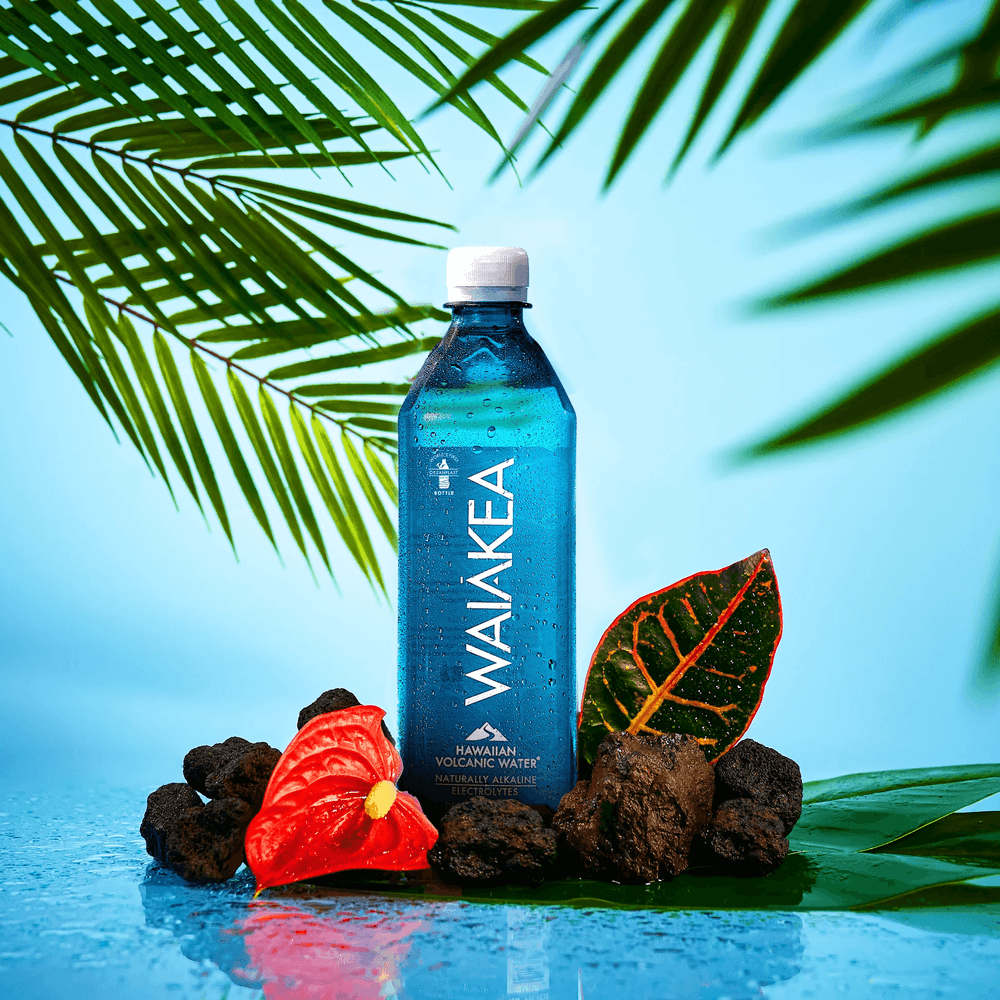
Waiakea Water Lab Results
Lab results show metals and nitrates in Waiakea Volcanic Spring Water.
Most people assume volcanic spring water is naturally cleaner than ordinary bottled water, but the bigger issue is what the lab panel shows over time, not how premium the source sounds. In this case, independent testing found chromium at 0.0012 mg/L, along with arsenic and nitrates above commonly used long term health-based guidelines, which shows that beneficial minerals and potentially concerning contaminants can exist in the same bottle.
That is why the concern resonates. A water can look impressive on paper and still raise questions for daily use, because meeting legal limits does not prove alignment with more protective cancer risk benchmarks or long term exposure targets used by toxicologists, and one report alone does not prove every batch or year will look the same.
Buyer Checklist
- Look for spring waters with frequent third-party testing.
- Review full contaminant panels, not just mineral profiles.
- Avoid relying on a single historical lab report.
- Consider filtration that targets metals and nitrates.
- Compare brands using independent lab data, not origin stories.
Waiakea Water Lab Results
Waiakea is marketed as Hawaiian volcanic spring water with naturally occurring electrolytes and minerals. That branding highlights source and taste, but long term safety depends on contaminant testing, concentration, and how those results compare with health-based targets.
Independent testing referenced in this draft detected chromium, arsenic, nitrates, and fluoride alongside minerals such as calcium, magnesium, potassium, and sodium. The key point is not that minerals were absent, but that mineral richness did not prevent measurable contaminant exposure.
Is Waiakea Water Safe to Drink Every Day?
That depends on which benchmark you use. Legally Required standards are designed around enforceable regulatory limits, while more protective health-based goals often aim to reflect lower lifetime cancer risk or lower chronic exposure.
Does Not Guarantee is the important distinction here. A bottled water can be sold lawfully and still sit above stricter long term guidelines that some toxicologists, environmental health researchers, and state health agencies use for risk screening.
Chromium in Waiakea Water
The reported chromium concentration was 0.0012 mg/L, which the draft notes is about 61 times higher than a commonly used daily health-based target for long term exposure. That comparison matters because chromium risk depends on both dose and chemical form.
Chromium can occur naturally in volcanic geology and surrounding rock. Some forms, especially hexavalent chromium, are more strongly associated with carcinogenicity, oxidative stress, DNA damage, and gastrointestinal injury than trivalent chromium.
What this result does not show on its own is chromium speciation. Without a breakdown by form, the lab value signals a potential concern, but it does not prove how much of the chromium present was the more hazardous hexavalent form.
Arsenic in Waiakea Water
The draft reports arsenic at roughly 14 times a health guideline used for long term exposure. Arsenic is a naturally occurring metalloid that commonly appears in groundwater, especially in regions with volcanic or mineral-rich geology.
Long term arsenic exposure has been linked in public health literature to higher risks of skin, bladder, and lung cancer, along with cardiovascular and developmental effects. Even when a product is below a legal maximum contaminant level, a result far above a more health-protective benchmark can still matter for people drinking it daily for years.
Nitrates in Waiakea Water
The draft reports nitrates at roughly 3 times a health guideline. Nitrates are not usually framed as part of a premium spring water story, but they are relevant because they can enter groundwater through fertilizer runoff, septic leakage, and local land use patterns.
In infants, very high nitrate exposure is associated with methemoglobinemia, a condition that reduces oxygen delivery in the blood. In broader environmental health research, elevated nitrate exposure has also been studied in relation to pregnancy outcomes and possible developmental concerns.
Fluoride in Waiakea Water
Fluoride was also detected. That is not unusual in volcanic water sources because fluoride can leach naturally from rock and ash-derived geology into groundwater.
At low intake, fluoride can support dental health. At higher chronic intake, the literature has raised concerns about thyroid effects, skeletal fluorosis, and possible neurodevelopmental impacts, with risk depending heavily on total dose from all sources, not water alone.
Why Volcanic Source Water Can Still Test High for Contaminants
Volcanic origin is not the same thing as contaminant-free. Groundwater moves through rock, soil, fractures, and recharge zones, which means it can dissolve naturally occurring elements and also reflect what is happening in the surrounding watershed.
Default Assumption should not be that a volcanic spring is automatically cleaner than other bottled waters. Source geology may increase certain minerals people want, but it can also increase arsenic, chromium, fluoride, or other inorganic contaminants depending on the aquifer.
Minerals and Contaminants Can Coexist
Waiakea contains minerals that people often associate with better taste and hydration. Those include:
- Calcium
- Magnesium
- Potassium
- Sodium
That can be a real product strength, but it does not cancel out contaminant exposure. Best Signal is a full lab panel that shows both the beneficial mineral profile and the unwanted contaminants, rather than highlighting one side of the story.
Why Legal Compliance Is Not the Whole Story
Regulatory standards are important, but they are not designed to answer every long term risk question consumers ask. Some are based on feasibility, treatment limits, and population-level policy tradeoffs, rather than the most conservative toxicology target.
Legally Required compliance tells you whether a product is within enforceable rules. Does Not Guarantee that the water aligns with the lower risk thresholds a cautious consumer may prefer for a product they drink every day.
Can Waiakea Water Change Over Time?
Yes. Groundwater chemistry can shift with rainfall, aquifer conditions, seasonal recharge, land use, wildfire impacts, geology, and bottling source variation.
That is why one historical report should not be treated as permanent proof of purity. What To Check is whether the brand publishes frequent testing, whether the panel is complete, and whether outside labs confirm those results over time.
How to Compare Waiakea to Other Bottled Waters
A useful comparison should look beyond origin story, bottle design, or mineral marketing. Focus on the numbers that affect long term exposure.
Review:
- Arsenic
- Chromium
- Nitrates
- Fluoride
- PFAS, if tested
- Other metals and inorganic contaminants
- Testing date and laboratory source
Supplemental Feed Allowed is a phrase that matters in food labeling, but not here. For water, the comparable lesson is that premium branding language can distract from the real signal, which is the contaminant panel and how often it is updated.
Should You Filter Waiakea Water?
A filter may help, depending on what contaminant you are trying to reduce. Some systems are better for metals, some for nitrates, and some broad-spectrum systems may also strip beneficial minerals that affect taste and electrolyte content.
That means filtration is not a simple yes or no decision. The practical question is whether you want to preserve mineral content, reduce a specific contaminant, or use the water only occasionally rather than as your main daily source.
Bottom Line on Waiakea Water
The main takeaway is simple. Volcanic spring water can contain appealing minerals and still test above commonly used long term health-based guidelines for contaminants such as chromium, arsenic, and nitrates.
For occasional use, some consumers may not view that as decisive. For daily long term use, the more cautious approach is to rely on recent third-party testing, compare full contaminant panels across brands, and avoid treating source prestige as proof of safety.
Check the latest on Bottled Water
Find the healthiest bottled water ranked and reviewed using the latest lab data, toxicology, and environmental health research.
References
U.S. Environmental Protection Agency — Chromium in Drinking Water
World Health Organization — Arsenic in Drinking Water
U.S. Environmental Protection Agency — Nitrate and Nitrite in Drinking Water
California OEHHA — Public Health Goals for Drinking Water Contaminants
National Academies of Sciences — Fluoride in Drinking Water: A Scientific Review of EPA Standards
U.S. Geological Survey — Groundwater Quality and Volcanic Regions