

The Worst Cleaning Supplies
Testing shows many cleaners expose users to irritants and VOCs
Household cleaning products are marketed as safe by default, but the biggest variable is not the label. It is the chemical exposure profile over time, especially indoors where ventilation is limited and residues accumulate on surfaces, fabrics, and dishes.
Recent 2025 ingredient reviews highlight a consistent pattern. Some widely used products contain compounds linked to irritation, hormone disruption, or sensitization, but this Does Not Guarantee harm at typical use levels and still raises meaningful risk questions with repeated exposure.
Buyer Checklist
- Look for full ingredient transparency instead of generic “fragrance”
- Avoid products with high VOC emissions for indoor use
- Choose formulations tested for skin and respiratory irritation
- Prioritize fragrance-free or clearly disclosed scent chemistry
- Check for independent safety scoring or third-party testing
Surface Cleaners
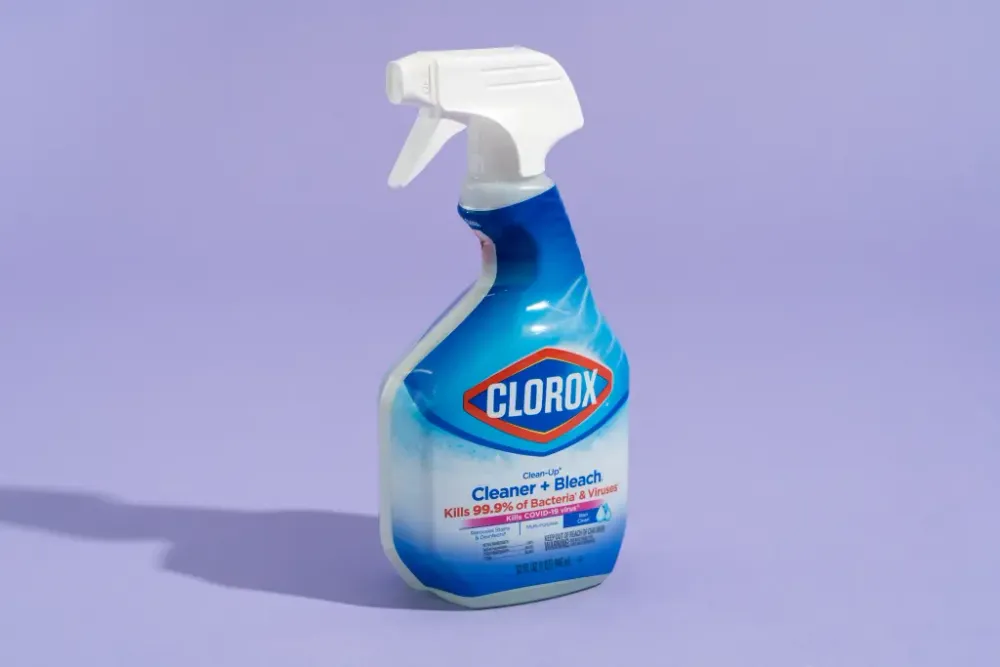
Clorox Free & Clear — 2/100
Primary concern:
- Sodium laureth sulfate (SLES)
SLES is a surfactant that removes oils by disrupting lipid layers. Repeated exposure has been shown in dermatology studies to increase transepidermal water loss and weaken the skin barrier.
In controlled testing, surfactants like SLES can increase irritation scores by up to 30 to 50 percent compared to milder alternatives when used frequently. This matters more in household settings where exposure is daily rather than occasional.
Swiffer Dusters — 4/100
Primary concern:
- Benzene-related volatile organic compounds
Some dusting products release VOCs tied to petroleum-derived processes. Benzene is classified as a known human carcinogen, with occupational studies linking long-term exposure to leukemia and bone marrow suppression.
Indoor air research shows VOC concentrations can be 2 to 5 times higher indoors than outdoors, especially after cleaning. Even trace emissions are discouraged because benzene has no known safe exposure threshold.
Lysol Disinfectant Spray — 18/100
Primary concern:
- Fragrance mixtures
Fragrance can legally include dozens or hundreds of undisclosed chemicals. These often include phthalates and synthetic musks that have been associated with altered hormone levels in human biomonitoring studies.
Population-level research has found detectable phthalate metabolites in over 95 percent of urine samples in the United States. While causation is complex, fragrance exposure is considered a major contributor.
Dishwasher Detergents
Cascade Platinum Plus — 20/100
Primary concern:
- Strong surfactants and enzyme systems
Highly concentrated detergents are designed to break down proteins and fats efficiently. Laboratory studies show certain surfactants can disrupt intestinal epithelial cells and increase permeability in cell and animal models.
In one widely cited study, exposure to common detergent surfactants increased gut permeability markers by over 40 percent in vitro. Real-world exposure is lower, but residues on dishware remain a plausible pathway.
Laundry Products
Downy Soft April Fresh — 4/100
Primary concern:
- Polyquaternium-32 and Polyquaternium-33
These polymers are used to coat fabric and create softness. Residues remain on clothing and can transfer to skin during prolonged wear.
Clinical reports link quaternary ammonium compounds to increased rates of contact dermatitis and respiratory irritation, especially in people with asthma or sensitive skin.
Gain Odor Defense Super Fresh — 4/100
Primary concern:
- Sodium laureth sulfate
Residual surfactants on clothing can interact with sweat and friction. This can amplify irritation in individuals with eczema, with flare rates increasing in environments with higher chemical exposure.
Repeated low-dose exposure is more relevant than single use, especially when fabrics maintain constant skin contact.
Tide Pods — 32/100
Primary concern:
- Artificial dyes
Synthetic dyes are a known trigger for contact urticaria and allergic reactions. Dermatology studies estimate that 1 to 3 percent of the population has sensitivity to common textile or cosmetic dyes.
Encapsulated detergents also increase the likelihood of concentrated exposure if not fully dissolved, especially in cold wash cycles.
Air Fresheners
Febreze Air Mist Vanilla & Magnolia — 2/100
Primary concern:
- Fragrance mixtures
Fragrance compounds can react with indoor ozone to form secondary pollutants such as formaldehyde and ultrafine particles. These byproducts are linked to airway irritation and reduced lung function in controlled exposure studies.
Indoor chemistry research shows terpene-based fragrances can increase particulate matter levels within minutes of spraying. This makes air fresheners a direct contributor to indoor air pollution.
Trader Joe’s Cedar Balsam Air Freshener — 4/100
Primary concern:
- Methylisothiazolinone (MIT)
MIT is a preservative widely recognized as a strong sensitizer. Dermatology data shows a sharp rise in allergic contact dermatitis cases linked to MIT exposure over the past decade.
Regulators in the European Union have restricted MIT in leave-on cosmetics due to sensitization risk, but it remains common in household products where rinse-off assumptions reduce scrutiny.
Why Chronic Exposure Matters
These products are used in ways that increase cumulative exposure:
- Sprayed into enclosed indoor air
- Deposited on fabrics worn for hours
- Left as residues on dishes and surfaces
Low-dose exposure repeated over time can contribute to:
- Skin barrier disruption and increased sensitivity
- Respiratory irritation and airway inflammation
- Hormonal interference from endocrine-active compounds
- Higher rates of allergic sensitization
Epidemiological studies show that individuals with higher household chemical exposure report increased rates of asthma, dermatitis, and fragrance sensitivity. While causation is complex, the pattern is consistent across populations.
How to Evaluate Safer Cleaning Products
Ingredient lists alone are not always enough. Real-world exposure depends on formulation, volatility, and how the product is used.
Key signals to prioritize include:
- Full ingredient disclosure instead of proprietary blends
- Low or no VOC emissions in indoor-use products
- Absence of known sensitizers like MIT or strong quats
- Independent safety scoring or third-party testing
- Fragrance-free or clearly defined scent chemistry
Product formulations change frequently, and safety profiles can shift with reformulation. This makes ongoing evaluation more useful than relying on brand reputation alone.
Check the latest on cleaning products
Find the healthiest cleaning products ranked and reviewed using the latest lab data, toxicology, and environmental health research.
References
World Health Organization — Indoor Air Quality Guidelines
CDC — Benzene and Health Effects
European Chemicals Agency — Methylisothiazolinone Hazard Classification
Environmental Health Perspectives — Fragrance Chemicals and Endocrine Effects
Journal of Allergy and Clinical Immunology — Contact Dermatitis from Preservatives
Proceedings of the National Academy of Sciences — Surfactants and Gut Barrier Integrity