

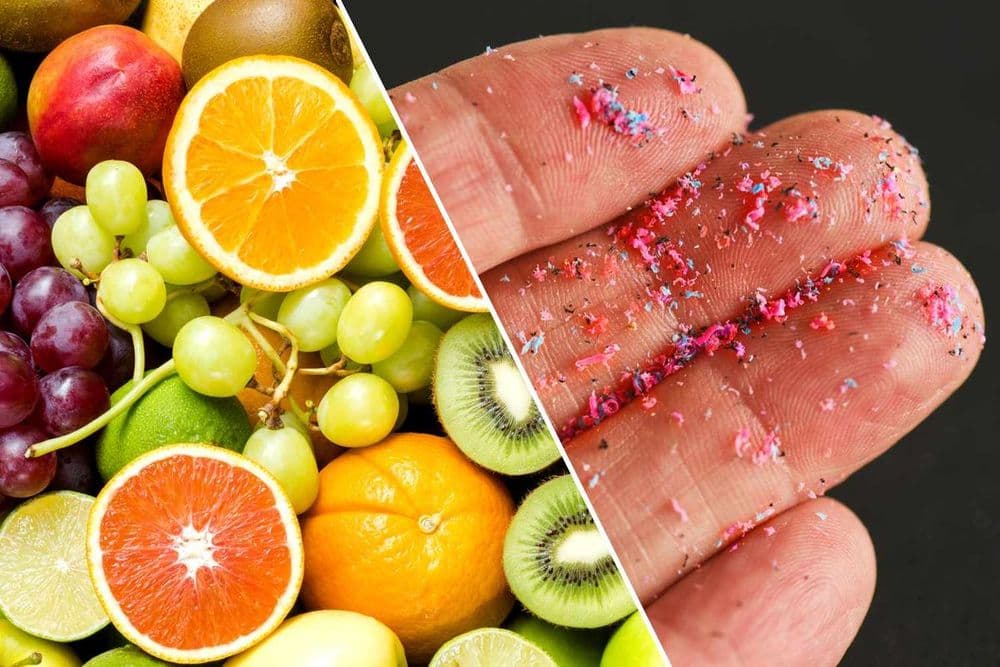
Microplastics In Fruits And Vegetables Raise Exposure
Research links produce to high microplastic intake; simple steps may help.
The biggest source of microplastics in your diet is not what most people expect. New evidence points to everyday plant foods like fruits, vegetables, and grains as the dominant contributors, driven by contaminated soil and improved detection methods that now capture far smaller particles than before.
These findings suggest exposure is far higher than older estimates, but they also do not prove direct harm at current levels. The research shows widespread presence and plausible biological effects, while leaving open questions about long term risk and dose thresholds that actually matter for human health.
Buyer Checklist
- Rinse produce thoroughly and peel when appropriate.
- Use reverse osmosis or high quality filtration for drinking and rinsing water.
- Choose glass or stainless steel for cooking and storage.
- Limit highly processed foods that may accumulate additional plastic from packaging.
- Track emerging research and product testing data to make informed choices.
How Much Microplastic Are We Eating?
Recent estimates suggest fruits, vegetables, and grains may account for up to 99.5 percent of daily dietary microplastic intake.
A University of Amsterdam led meta analysis of 193 studies estimated that adults may ingest around 50,000 microplastic particles per day, with some estimates exceeding that depending on water source and diet.
Detection methods have changed rapidly, including:
- Micro Fourier transform infrared spectroscopy.
- Raman spectroscopy capable of detecting particles down to the micrometer scale.
Older studies missed smaller particles, which explains why newer estimates are up to 500 times higher than earlier numbers.
Most research reports particle counts rather than mass, which means:
- Smaller particles inflate total counts.
- Higher counts do not automatically mean higher toxicity.
- Risk likely depends more on size, chemistry, and accumulation over time.
How Microplastics Get Into Fruits and Vegetables
Agricultural soil is now a major reservoir for plastic contamination.
Research in environmental science journals shows farmland may receive up to 23 times more plastic pollution than oceans due to:
- Plastic mulch films breaking down in soil.
- Sewage sludge fertilizers containing microplastics.
- Irrigation water carrying plastic particles.
- Atmospheric fallout depositing airborne plastics.
Plants can absorb microplastics through their roots under certain conditions.
Laboratory studies show:
- Particles smaller than about 10 micrometers can enter root tissue.
- Some particles can move through vascular systems.
- Microplastics may accumulate in leaves and edible plant tissues.
This means contamination is not only surface level, so washing removes external debris but not internalized particles.
Microplastics in the Human Body
Microplastics are now being detected in multiple human tissues.
A 2024 study published in the New England Journal of Medicine analyzed carotid artery plaque from 304 patients and found:
- Polyethylene or PVC particles in 58 percent of participants.
- A median follow up of 34 months.
- Approximately four times higher risk of heart attack, stroke, or death in those with detectable plastics.
This was an observational study, so it shows association, not causation.
Other human findings include detection in:
- Blood samples.
- Lung tissue.
- Placenta.
- Stool.
Animal and cell studies suggest potential mechanisms:
- Inflammation and immune activation.
- Oxidative stress.
- Endothelial dysfunction linked to cardiovascular disease.
What the Research Actually Shows
Current evidence provides signals, not definitive answers.
Here is what we know:
- Daily intake estimates range from 39,000 to over 50,000 particles.
- Smaller particles under 10 micrometers may cross intestinal barriers in experimental models.
- Rodent studies show increased inflammation markers at environmentally relevant doses.
- Human evidence linking microplastics to disease is largely observational.
Risk likely depends on multiple interacting factors:
- Particle size and shape.
- Chemical additives such as phthalates and bisphenols.
- Pollutants attached to plastic surfaces.
- Total lifetime exposure.
This means presence alone does not equal harm, but widespread exposure combined with biological plausibility raises concern.
Should You Stop Eating Produce?
No.
Fruits, vegetables, and whole grains consistently reduce the risk of major chronic diseases.
Large cohort studies involving hundreds of thousands of participants show:
- Lower cardiovascular disease risk with higher plant intake.
- Reduced cancer risk across multiple categories.
- Lower all cause mortality.
The benefit of these foods far outweighs the uncertain risk from microplastics.
Practical Ways to Reduce Microplastic Exposure
You cannot eliminate exposure completely, but you can reduce it meaningfully.
Focus on high impact changes:
- Rinse produce under running filtered water.
- Soak and peel root vegetables and thick skinned fruits when appropriate.
- Avoid heating food in plastic containers.
- Use glass, ceramic, or stainless steel for cooking and storage.
- Use reverse osmosis or high quality water filtration.
- Limit bottled water, which often contains higher microplastic counts.
- Reduce use of plastic cutting boards that shed particles.
There is limited evidence on removing microplastics from the body, and claims about sweating them out are not well supported yet.
The Bigger Picture
Microplastic exposure is now a systems level issue.
It reflects:
- Agricultural practices.
- Food packaging systems.
- Water infrastructure.
- Global plastic production and waste management.
The rise in exposure estimates is largely due to better detection technology, not necessarily a sudden increase in contamination.
Reducing exposure at scale will require upstream changes, but individual choices can still lower intake while maintaining a nutrient dense diet.
Check the latest on Produce
Find the healthiest Produce ranked and reviewed using the latest lab data, toxicology, and environmental health research.
References
Environmental Science & Technology — Microplastics in Agricultural Soils: Sources and Impacts
University of Amsterdam — Quantifying Human Microplastic Intake
Science — Plastic Pollution of Farmland