

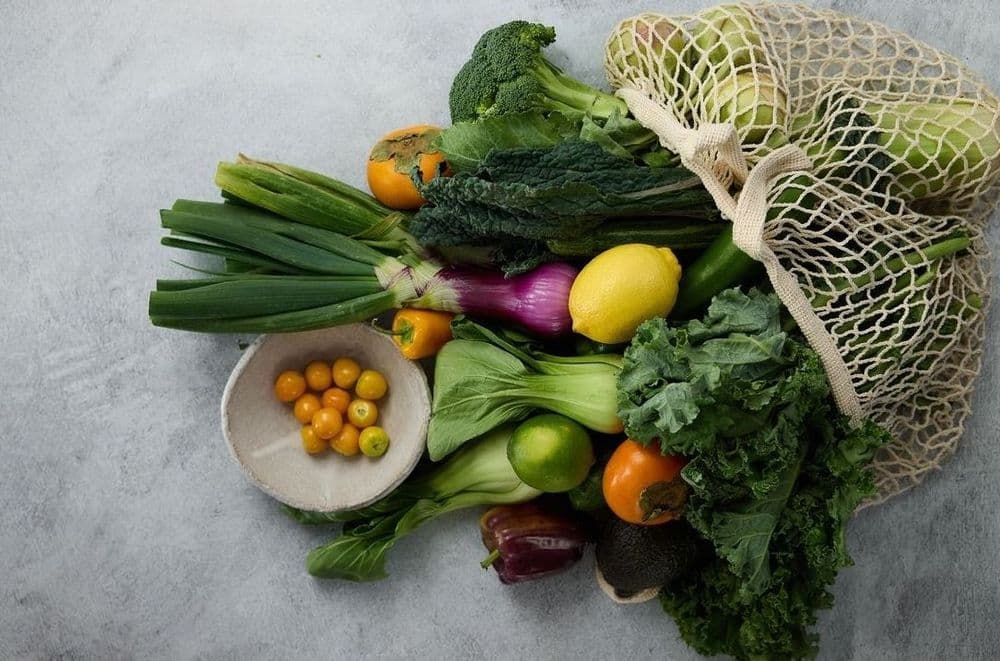
Is Organic Food Healthier?
Organic food myths, risks, and what actually matters
Organic food carries a strong health halo, but the Default Assumption that it is cleaner or safer overlooks how the system actually works. Organic standards focus on how crops are grown, not what ends up in the final product, which means residues, heavy metals, and environmental contaminants can still be present.
The research reflects this tension. Organic farming can reduce certain exposures, especially for high residue crops, but it Does Not Guarantee a toxin free or more nutritious outcome. Findings show modest differences in pesticide residues and some compounds, yet consistent human health benefits remain unclear, which makes knowing what to look for far more useful than relying on the label alone.
Buyer Checklist
- Check which foods have the highest pesticide residue levels
- Understand what organic labels actually guarantee
- Prioritize organic for foods you eat frequently and raw
- Do not assume organic equals safer or more nutritious
- Look beyond labels and focus on exposure risk
What Does Organic Actually Mean
Organic labeling is widely misunderstood and often over interpreted. Organic does not mean pesticide free or contaminant free.
USDA organic standards restrict certain farming inputs, but approved substances are still allowed. The label is Legally Required to reflect production methods, not the final chemical profile of the food.
Key labeling tiers include:
- USDA Organic. At least 95 percent organic ingredients
- Made with organic. At least 70 percent organic ingredients
- Contains organic ingredients. Smaller fraction included
There is no routine requirement to test finished products for contaminants. The Default Assumption that organic equals clean does not match how certification works.
Organic Pesticides Are Not Harmless
Organic farming still uses pesticides, just from a different category. Many are naturally derived, but that does not make them risk free.
Examples include:
- Copper sulfate. Can build up in soil and harm aquatic life
- Rotenone. A plant based pesticide later restricted after links to neurological damage
A large case control study of agricultural workers found increased Parkinson’s disease risk among those exposed to rotenone and paraquat. Researchers highlight mitochondrial disruption as a likely mechanism.
Some organic pesticides are applied at higher volumes to achieve the same effect. This can increase overall environmental burden, challenging the Default Assumption that natural inputs are inherently safer.
Is Organic Food More Nutritious
Claims about superior nutrition in organic food are inconsistent. Large reviews show mixed outcomes depending on the nutrient and study design.
A Stanford led meta analysis covering 237 studies reported:
- No consistent differences in vitamin or mineral content
- Lower detection rates of pesticide residues
- Reduced presence of antibiotic resistant bacteria in some cases
A European meta analysis found:
- Higher antioxidant levels, sometimes 20 to 60 percent higher depending on compound
- Lower cadmium levels, which is a toxic heavy metal
- Lower overall pesticide residue detection
These differences reflect farming methods, but they do not reliably translate into measurable health improvements in humans. The Best Signal for real world benefit remains uncertain.
Organic Still Contains Contaminants
Organic certification does not remove environmental exposure. Contamination is heavily influenced by soil quality, water sources, and surrounding pollution.
Both organic and conventional foods may contain:
- Heavy metals such as cadmium and lead
- Microplastics from water and packaging
- Industrial pollutants carried through air and soil
These exposures are not controlled by organic standards. This reinforces that the label Does Not Guarantee a contaminant free product.
Where Organic Actually Matters
Not all foods carry the same exposure risk. Some crops consistently show higher pesticide residues and benefit more from organic sourcing.
Strawberries are a clear example:
- Frequently rank among the highest residue foods
- Often consumed raw, increasing exposure
- Treated with multiple pesticides including chloropicrin
Chloropicrin was historically used as a chemical warfare agent. Agricultural use in California rose by nearly 20 percent between 2018 and 2022.
For foods like strawberries, choosing organic can meaningfully reduce exposure. This is where the Best Signal for buying organic becomes practical and targeted.
Bottom Line
Organic food is often positioned as safer and healthier, but the evidence is more nuanced. Organic standards govern farming practices, not the final composition of the food.
Organic options can reduce certain pesticide exposures, especially for high residue crops. They do not eliminate toxins, do not guarantee better nutrition, and do not remove environmental contaminants.
Focusing on high exposure foods and real risk patterns is more effective than assuming all organic food is better.
Check the latest on organic produce
Find the healthiest organic produce ranked and reviewed using the latest lab data, toxicology, and environmental health research.
References
USDA — About the Organic Standards
NPIC — Copper Sulfate Fact Sheet
PubMed — Rotenone, paraquat, and Parkinson's disease
PubMed — Are organic foods safer or healthier than conventional alternatives
Washington State University — Organic plant-based foods meta-analysis
Inside Climate News — California agricultural pesticides report