

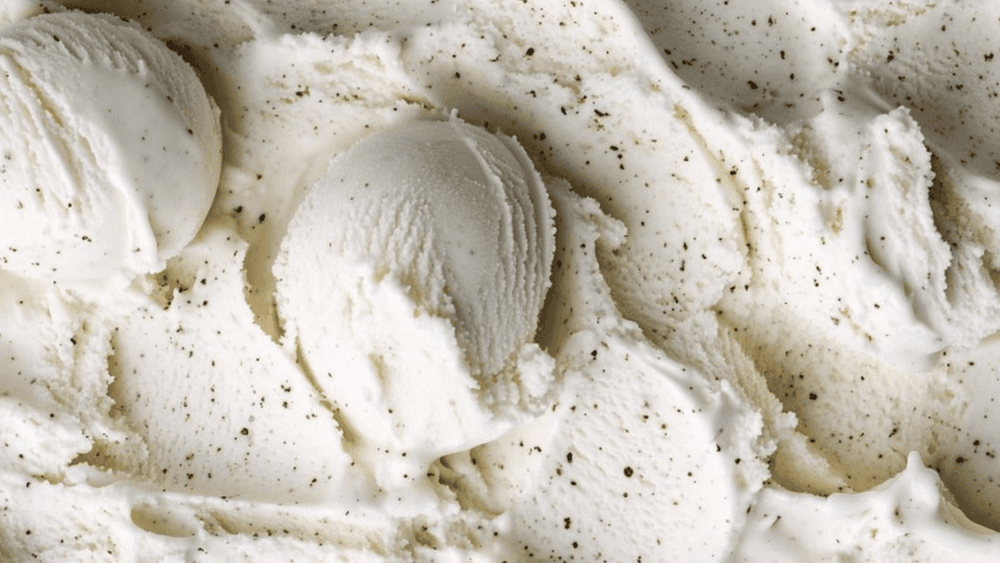
Ice Cream Is A Superfood
Studies suggests ice cream consumption may lower diabetes risk.
Ice cream is usually framed as a metabolic liability. Yet long running Harvard cohorts tracking roughly 190,000 people have repeatedly found that regular consumption is linked to lower rates of type 2 diabetes, especially at two or more servings per week.
This does not mean ice cream prevents disease. The findings point to a more nuanced reality where the structure of dairy fat and the type of product being consumed may shape outcomes, while lifestyle patterns still play a major role.
Buyer Checklist
- Check the ingredient list for real dairy fat from cream or milk.
- Avoid frozen desserts that replace milk fat with vegetable oils.
- Look for simple ingredients such as cream, milk, egg yolks, sugar or honey, and vanilla.
- Choose products that meet the legal definition of ice cream with at least 10 percent milk fat.
- Prefer brands with minimal stabilizers and emulsifiers.
What Large Cohort Studies Actually Found
The most widely cited data comes from three major U.S. cohorts:
- Nurses’ Health Study
- Nurses’ Health Study II
- Health Professionals Follow Up Study
Together, these studies followed about 190,000 adults over periods of 20 to 40 years.
Participants:
- completed repeated food frequency questionnaires every 2 to 4 years
- reported lifestyle factors such as exercise, smoking, and weight
- were tracked for confirmed diagnoses of type 2 diabetes
Across pooled analyses:
- eating ice cream two or more times per week was associated with about a 22 percent lower relative risk of type 2 diabetes
- the association remained after adjusting for body weight, calorie intake, and physical activity
Researchers rechecked the data multiple times because the result was unexpected. The pattern persisted across cohorts.
Why This Does Not Prove Ice Cream Prevents Diabetes
These studies are observational. They show patterns, not direct cause and effect.
Important limitations include:
- people who eat ice cream regularly may differ in overall diet quality
- baseline metabolic health can influence both food choices and outcomes
- calorie balance and weight changes are difficult to fully control for
This means the association Does Not Guarantee that ice cream itself is protective.
Instead, the findings suggest that moderate intake is not inherently harmful within real world diets.
How Dairy Fat Structure May Influence Metabolism
A key biological explanation centers on the milk fat globule membrane.
In natural dairy:
- fat exists as microscopic droplets
- each droplet is surrounded by a membrane of phospholipids and proteins
This structure affects how fats are digested and absorbed.
Research findings include:
- a meta analysis of six controlled trials with 464 adults showed reductions in total cholesterol and LDL cholesterol when milk fat globule membrane components were included
- human and laboratory studies suggest effects on lipid transport and insulin response
Proposed mechanisms:
- altered fat absorption in the intestine
- improved cholesterol processing in the liver
- changes in how lipoproteins carry fats in the bloodstream
- modulation of insulin signaling pathways
These effects help explain why some dairy foods show neutral or favorable metabolic outcomes despite containing saturated fat.
Why Many Frozen Desserts Are Not the Same as Ice Cream
There is a critical labeling distinction that often gets overlooked.
In the United States:
- Legally Required for ice cream is at least 10 percent milk fat from dairy
Many products in the freezer aisle do not meet this definition.
Common substitutions include:
- vegetable oils
- carrageenan and other gums
- synthetic emulsifiers
When dairy fat is replaced or heavily processed:
- the natural fat structure is disrupted
- milk fat globule membrane components may be reduced or lost
This likely changes how the product interacts with metabolism.
What To Check When Buying Ice Cream
Ingredient quality matters more than branding or marketing claims.
Focus on:
- real cream and milk as primary ingredients
- absence of vegetable oils
- short ingredient lists with recognizable components
- minimal use of stabilizers and emulsifiers
The Default Assumption that all frozen desserts behave the same is misleading.
What Traditional Ice Cream Looks Like
Classic formulations are simple and preserve the original dairy matrix.
Typical ingredients:
- heavy cream
- whole milk
- egg yolks
- sugar or honey
- vanilla
These maintain the natural fat structure that researchers believe plays a role in metabolic effects.
Is Homemade Ice Cream Different
Homemade ice cream removes many industrial processing steps.
Benefits include:
- no added gums or emulsifiers
- no replacement of dairy fat with plant oils
- preservation of natural fat structures
A basic recipe often includes:
- heavy cream
- egg yolks
- sugar or honey
- vanilla
This keeps the composition closer to traditional ice cream studied in long term data.
The Bottom Line on Ice Cream and Diabetes Risk
The association between ice cream consumption and lower diabetes risk is one of the more surprising findings in nutrition science.
What the evidence suggests:
- moderate intake is not linked to worse metabolic outcomes
- real dairy ice cream may behave differently than ultra processed frozen desserts
- broader lifestyle patterns still influence the results
The takeaway is not to treat ice cream as a health food. It is to recognize that food quality and structure matter more than simple labels.
Check the latest on Ice Cream
Find the healthiest Ice Cream ranked and reviewed using the latest lab data, toxicology, and environmental health research.
References
Harvard University DASH — Dairy Products and Cardiometabolic Health Outcomes
Journal of Dairy Science — Dairy Foods: A Matrix for Human Health and Precision Nutrition
MDPI Foods — Milk Fat Globule Membrane Is Associated with Lower Blood Lipid Profiles
Frontiers in Nutrition — The Milk Fat Globule Membrane and Human Health