

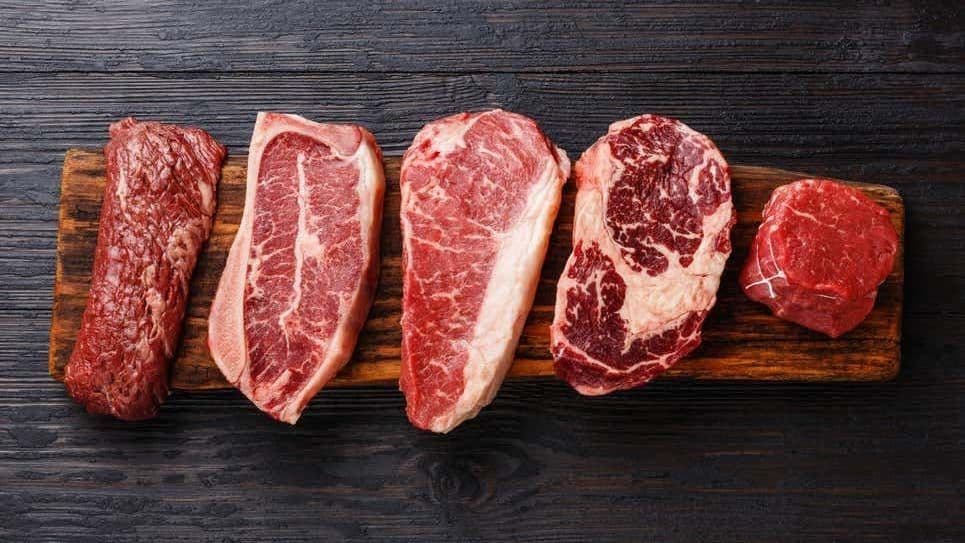
The Truth About “Product of USA” Beef Labels
What the new 2026 beef labeling law actually means
- Up to 85% of grass-fed beef sold in the US has been imported.
- Before 2026, foreign beef could legally be labeled “Product of USA.”
- The new USDA rule now requires full US origin from birth to processing.
- Imported beef still meets US safety standards.
- The real issue was consumer confusion and economic pressure on US ranchers.
Buyer Checklist
- Look for “Product of USA” under the new definition
- Check brand sourcing transparency
- Avoid vague terms like “packaged in USA”
- Use third-party verified producers when possible
- Cross-check origin using apps or retailer disclosures
What did “Product of USA” mean before 2026
Until January 1, 2026, beef labeling rules allowed a major loophole. Meat imported from countries like Australia, New Zealand, and Uruguay could still be labeled as a US product.
This happened if the meat was processed, repackaged, or ground after arriving in the United States.
- Imported beef only needed minor processing to qualify
- No requirement for the animal to be raised in the US
- Labels created a strong Default Assumption of domestic origin
Data from industry and advocacy reports suggest that up to 85% of grass-fed beef sold in the US was imported under this system.
Why so much grass-fed beef is imported
The economics strongly favor overseas production. Grass-fed cattle are significantly cheaper to raise in countries with abundant pasture and lower labor costs.
- Australia production cost: about $0.59 per pound
- Large US producers: about $1.55 per pound
- Small US farms: up to $4.26 per pound
This cost gap created a strong incentive for companies to import beef while marketing it as domestic.
The result was price pressure on US ranchers and widespread consumer misunderstanding.
The new 2026 USDA labeling rule explained
As of January 1, 2026, the USDA tightened labeling requirements for meat, poultry, and eggs.
To carry a “Product of USA” label, beef must now meet all of the following:
- Born in the United States
- Raised in the United States
- Slaughtered in the United States
- Processed in the United States
This makes the label Legally Required to reflect full domestic origin, not just final processing.
The change was driven by rancher advocacy groups and consumer protection efforts.
Does imported beef meet US safety standards
Yes. Imported beef must meet equivalent food safety standards enforced by the USDA Food Safety and Inspection Service.
These standards include:
- Inspection system equivalence to US regulations
- Hazard control systems such as HACCP
- Residue and pathogen testing protocols
This means imported beef is generally comparable in safety.
However, safety compliance Does Not Guarantee transparency about origin, which was the core issue.
Why the labeling change matters for consumers
The previous system created a mismatch between perception and reality. Many shoppers believed they were supporting US ranchers when they were not.
Research in consumer behavior shows that country-of-origin labels strongly influence purchasing decisions.
- Consumers associate domestic meat with higher quality and trust
- Willingness to pay increases for perceived local sourcing
- Mislabeling reduces market efficiency and informed choice
The updated rule helps align labeling with actual sourcing.
Best way to verify where your beef comes from
Labels are improving, but they are not the only signal.
The Best Signal is full transparency from the producer or retailer.
Look for brands that clearly disclose sourcing and production practices.
Examples of more transparent producers include:
- Dakota
- Grass Run Farms
- White Oak Pastures
- Eel River Organic
You can also verify sourcing using tools like the Oasis App, which aggregates labeling, certifications, and testing data.
What to check on beef labels now
Even with updated regulations, it is still important to read labels carefully.
Focus on these signals:
- “Product of USA” under the new rule
- Country of origin statements
- Third-party certifications
- Brand sourcing disclosures
This falls under What To Check when trying to avoid misleading labeling.
Check the latest on beef
Find the healthiest beef ranked and reviewed using the latest lab data, toxicology, and environmental health research.
References
Juris Law Group. January 1, 2026: USDA Tightens “Product of USA” Labels for Meat, Poultry, and Eggs