

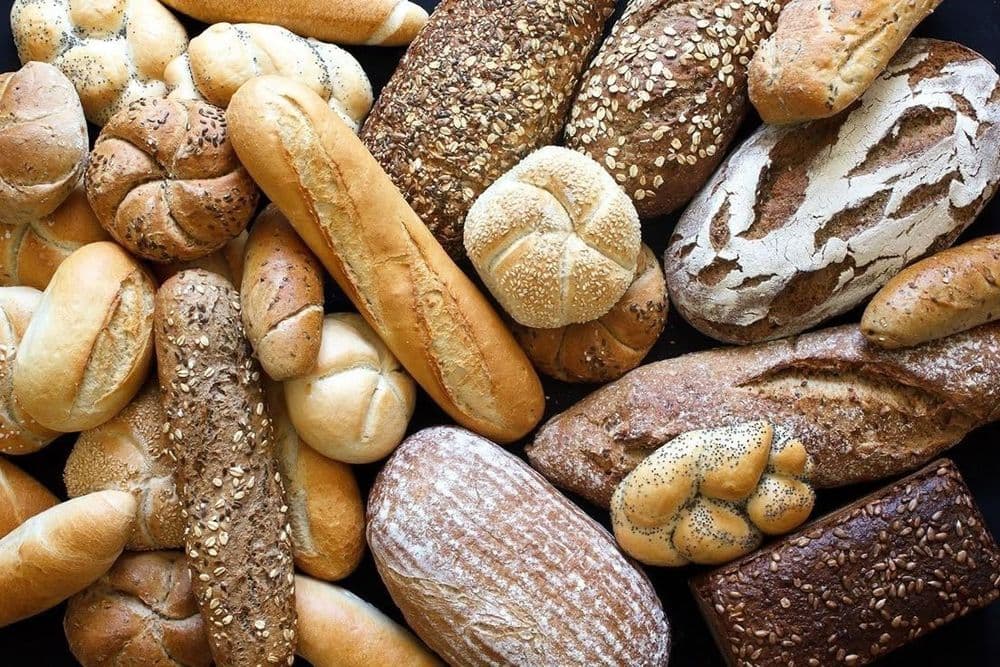
Glyphosate In Bread Tests Higher In Conventional Loaves
Lab tests reveal glyphosate varies by brand; organic sprouted breads test lower.
Bread looks simple on the surface, but one hidden ingredient sits quietly as wheat is grown. Pre-harvest spraying with glyphosate can leave residues that carry through milling and baking, which explains why independent testing shows large differences between brands.
The data suggests a consistent pattern rather than a guarantee. Organic and sprouted grain breads tend to test lower, while conventional wheat products often show detectable residues, but this Does Not Guarantee zero or high levels in any single loaf. What matters is frequency, because bread is eaten daily and small exposures can accumulate over time.
Buyer Checklist
- Choose organic or sprouted grain breads whenever possible.
- Look for brands with supply chain transparency or testing.
- Rotate grain products instead of eating the same bread daily.
- Treat conventional wheat bread as an occasional food.
- Use lab testing and data as the Best Signal.
What Is Glyphosate and Why Is It in Bread
Glyphosate is the active ingredient in the herbicide Roundup and is widely used in modern agriculture. It is applied not only for weed control but also to dry crops evenly before harvest.
Key facts:
- Global glyphosate use increased nearly 15 fold between 1996 and 2016.
- Wheat is one of the most commonly desiccated crops.
- Grain products are a major dietary exposure source.
Pre-harvest desiccation allows farmers to harvest more efficiently, but it increases the likelihood that residues remain on the grain.
How Glyphosate Gets Into Wheat and Flour
Glyphosate is sprayed shortly before harvest, so it can remain on the outer layers of the grain. Those residues can persist through processing.
Important points:
- Glyphosate is water soluble and heat stable.
- Milling and baking do not fully remove residues.
- Bread, cereal, pasta, and crackers can all contain trace amounts.
A large US biomonitoring study published in an environmental health journal found that glyphosate levels detected in humans increased roughly 500 percent over two decades, suggesting rising exposure over time.
Glyphosate Levels Found in Bread Testing
Third party lab testing consistently shows wide variation between brands. Some breads test non detected, while others show measurable residues.
Breads that tested non detected:
- Ezekiel bread
- One Degree Organics
- Silver Hills
Low detection example:
- Pacha Organic buckwheat bread tested around 4 parts per billion.
- This level is about 3 percent of the EPA daily reference dose.
Breads with measurable residues:
- Several conventional honey wheat breads ranked among the highest.
- Most conventional breads tested showed detectable levels.
The Default Assumption is that conventional wheat bread will contain residues unless proven otherwise by testing.
Why Organic Bread Often Tests Lower
Organic farming standards prohibit the use of glyphosate, which directly reduces the likelihood of residues. However, contamination can still occur through environmental drift or shared infrastructure.
Key takeaways:
- Organic breads consistently test lower overall.
- Sprouted grain breads often rely on tighter sourcing and shorter supply chains.
- Buckwheat breads frequently test cleaner because they are gluten free and commonly organic.
Organic certification is not Legally Required to mean zero residues, but it remains a strong directional signal.
What Research Says About Health Risks
In 2015, the International Agency for Research on Cancer classified glyphosate as a probable human carcinogen based on evidence from animal studies and limited human data. Other regulatory bodies have reached different conclusions, which highlights ongoing scientific debate.
Areas of concern being studied:
- Microbiome disruption, since glyphosate targets the shikimate pathway present in some gut bacteria
- Oxidative stress and inflammation
- Potential endocrine effects
- Long term cumulative exposure
Most dietary exposure research focuses on low dose, chronic intake rather than acute toxicity, which makes real world risk harder to quantify.
Why Daily Bread Consumption Matters
Bread is a staple food eaten frequently, which changes how exposure should be viewed. Even low levels can become meaningful when consumed every day over years.
Important context:
- Exposure risk is cumulative rather than immediate.
- Grain products are a primary pathway for dietary intake.
- Reducing frequent exposure can significantly lower total intake.
The goal is not elimination, but reduction through better choices and variety.
Check the latest on bread
Find the healthiest breads ranked and reviewed using the latest lab data, toxicology, and environmental health research.
References
JAMA Network Open / Environmental Health — Glyphosate exposure in the US population
Environmental Sciences Europe — Trends in glyphosate herbicide use in the United States and globally
Environmental Working Group — Glyphosate testing in grains
National Institutes of Health — Glyphosate effects on gut microbiota and human health
United States Environmental Protection Agency — Glyphosate risk assessment and reference dose