

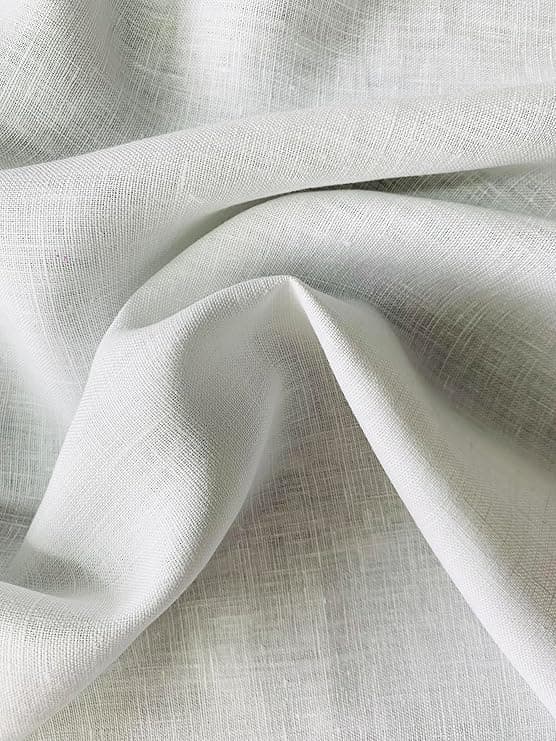
The Ultimate Fabric Ranking Guide
How common fabrics compare for health, safety, chemicals, and exposure
Fabric choice looks simple on the surface, but the real signal sits in how materials are processed and how they behave during daily wear. The biggest variable is not just natural versus synthetic, but processing intensity and whether the fabric sheds particles into your environment.
That distinction matters because breathability, chemical residues, and microfiber release all influence exposure over time. The evidence suggests clear patterns, but it also Does Not Guarantee that any single fabric is completely risk free. Instead, fabric type acts as a reliable signal of likely exposure, not a perfect outcome.
Buyer Checklist
- Prioritize organic or minimally processed natural fibers.
- Avoid heavily dyed or chemically treated fabrics when possible.
- Check labels for synthetic blends even in “natural” garments.
- Wash new clothes before wearing to reduce surface residues.
- Favor breathable materials that reduce moisture and irritation.
How Fabrics Are Ranked
Fabric rankings are based on evidence-aligned exposure and performance factors. These include how materials interact with skin, air, and environmental contaminants.
Key criteria include:
- Chemical treatments and finishes such as dyes, flame retardants, and wrinkle resistance
- Fiber origin, comparing natural versus petroleum-based synthetics
- Microfiber shedding rates measured during washing and wear
- Breathability and moisture retention, which influence skin microbiome balance
- Skin irritation risk observed in dermatological studies
No single fabric performs best across all categories, but patterns are consistent.
Best Fabrics for Low Chemical Exposure and Skin Compatibility
Natural, minimally processed fibers tend to have the lowest overall exposure profile. They also produce little to no persistent microplastic pollution.
Cotton (Organic Preferred)
Cotton is one of the most widely studied textiles for skin compatibility. Organic cotton reduces pesticide residues linked to endocrine disruption in agricultural workers.
Research in textile exposure shows:
- High breathability reduces moisture buildup and bacterial growth
- Low microfiber shedding compared to synthetics
- Organic production avoids organophosphate pesticide residues
Conventional cotton can still carry residues, but washing reduces surface contamination.
Linen (Flax)
Linen requires fewer chemical inputs during cultivation and processing. Its fiber structure allows rapid moisture evaporation.
Lab testing and material analysis show:
- Naturally antimicrobial properties due to fiber composition
- High airflow reduces skin irritation and heat retention
- Lower processing intensity compared to most textiles
This makes linen a strong option for sensitive skin and hot climates.
Hemp
Hemp is durable and requires minimal agricultural inputs. It is naturally resistant to mold and microbial growth.
Studies on fiber sustainability and exposure indicate:
- Low pesticide and water requirements
- Minimal need for chemical finishing
- Strong fibers that resist breakdown and shedding
Processing quality affects softness, but exposure risk remains low.
Good Fabrics With Processing Caveats
These fibers are generally safe but may involve treatments that increase exposure risk.
Wool
Wool regulates temperature and resists odor through natural lanolin content. However, some individuals experience irritation from fiber texture.
Relevant findings include:
- Strong moisture-wicking reduces bacterial growth
- Natural resistance to odors reduces need for chemical treatments
- Some finishes include shrink resistance chemicals
Skin sensitivity varies widely depending on fiber diameter and processing.
Silk
Silk is smooth and typically well tolerated by skin. Its protein structure is similar to human hair.
Evidence suggests:
- Low friction reduces irritation and mechanical damage to skin
- Naturally breathable and temperature regulating
- Dyeing and finishing processes can introduce chemical residues
Processing transparency matters more than the fiber itself.
Semi-Synthetic Fabrics and Chemical Processing
Semi-synthetic fabrics originate from natural cellulose but undergo heavy chemical transformation. This creates exposure concerns during production.
Rayon, Viscose, and Modal
These fabrics are soft and breathable but involve solvent-based manufacturing. Occupational studies show worker exposure to chemicals like carbon disulfide.
Key considerations include:
- Derived from wood pulp but chemically restructured
- Breathable and comfortable for skin contact
- Environmental and occupational risks during production
Finished garments typically contain low residual solvent levels, but upstream impacts remain significant.
Synthetic Fabrics and Microplastic Exposure
Fully synthetic fabrics consistently rank lowest due to both chemical load and microplastic shedding. These materials are petroleum-derived and persist in the environment.
Polyester
Polyester is the most common synthetic textile globally. It is a major contributor to indoor microplastic exposure.
A controlled washing study found:
- Up to hundreds of thousands of microfibers released per wash cycle
- Fibers accumulate in indoor dust and air
- Inhalation exposure may rival ingestion in indoor environments
Polyester also often contains additives such as dyes and performance finishes.
Nylon
Nylon is durable but less breathable. It tends to generate static and trap heat.
Material testing shows:
- Reduced airflow compared to natural fibers
- Increased likelihood of chemical additives for durability
- Moderate microfiber shedding during wear and washing
Comfort does not always correlate with exposure safety.
Acrylic
Acrylic is designed to mimic wool but performs poorly in exposure metrics. It is one of the highest shedding synthetic fibers.
Research measuring fiber release shows:
- High rates of microfiber emission into water and air
- Lower breathability increases skin irritation risk
- Persistent environmental accumulation
Acrylic consistently ranks among the least favorable materials.
Why Microfiber Shedding Matters
Microfibers are small plastic fragments released from synthetic textiles. They are now detected in indoor air, dust, and even human lung tissue.
Environmental and exposure studies show:
- Synthetic clothing is a major indoor source of airborne fibers
- Fibers can be inhaled or ingested during daily activities
- Indoor exposure levels can exceed outdoor pollution in some homes
Long-term health effects are still being studied, but early evidence links microplastics to inflammation and oxidative stress.
What This Means for Everyday Wear
Health-conscious fabric choices do not require perfection. The goal is to reduce cumulative exposure over time.
Evidence-aligned strategies include:
- Favoring natural fibers like cotton, linen, and hemp
- Choosing undyed or lightly dyed garments when possible
- Washing new clothing before first use to remove surface chemicals
- Avoiding unnecessary synthetic blends in everyday wear
Small changes can meaningfully reduce long-term exposure.
The Bottom Line
Fabric choice affects more than comfort. It influences chemical exposure, indoor air quality, and long-term environmental impact.
Natural, minimally processed materials consistently perform best across health-related metrics. Synthetic fabrics, especially those that shed microplastics, contribute to cumulative exposure that is difficult to avoid once present in indoor environments.
Check the latest on Clothing
Find the healthiest clothing ranked and reviewed using the latest lab data, toxicology, and environmental health research.
References
Environmental Pollution — Microfiber release from synthetic textiles
Science of the Total Environment — Textile chemicals and human exposure
European Environment Agency — Textiles and chemical safety
:contentReference[oaicite:0]{index=0}