

You're Eating What The Cow Ate
What cows eat matters. A guide to cleaner dairy and better fat ratios.
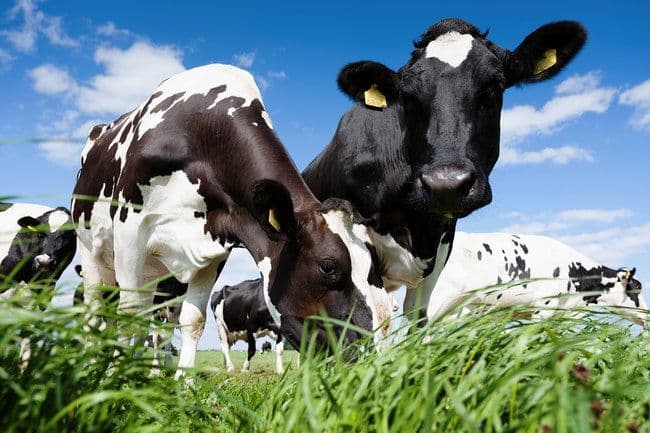
Milk looks simple on the shelf, but the biggest hidden variable is what the cow actually eats. In modern dairy systems, feed often includes forage plus energy and protein inputs like corn and soy, and that mix can meaningfully shift the fat profile and nutrient content of milk.
That tension between marketing and biology matters. The data shows feed influences fatty acids and certain nutrients, but it also Does Not Guarantee a uniform outcome across all products or labels, especially when sourcing and seasonal variation come into play.
Buyer Checklist
- Look for 100% grass-fed and no grain language on the actual product page.
- Do not assume organic means pasture-only or grain-free.
- Check whether the brand provides feed transparency or program standards.
- If fats matter to you, look for fatty-acid data or credible third-party context.
Conventional Dairy: What Cows Actually Eat
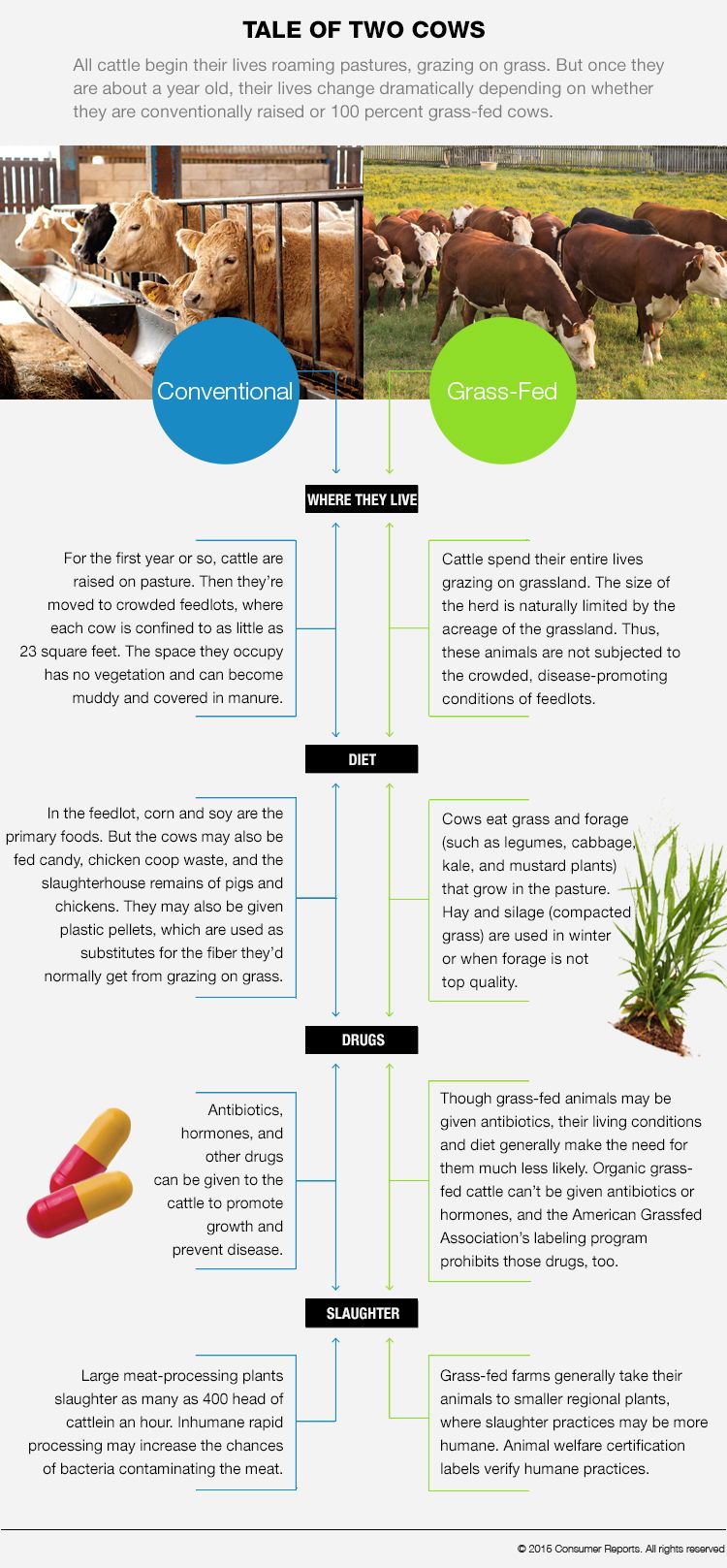
Most large-scale dairy systems use Total Mixed Rations, often built around stored forage plus added energy and protein sources.
- Common inputs include:
- Corn silage or grain for energy
- Soybean meal for protein
- Hay or other forage for fiber
- Feed composition varies by farm, region, and season.
- Public breakdowns of exact feed ratios are rarely provided at the product level.
A practical rule: if it is not explicitly labeled 100% grass-fed and no grain, supplementation is likely.
What Organic Dairy Actually Requires
Organic certification focuses on production practices and inputs, not strictly on diet composition.
Legally Required
- Grazing for at least 120 days per year during the grazing season.
- At least 30% of dry matter intake from pasture during that period.
What this does not guarantee
- It does not ensure a pasture-only diet year-round.
- Remaining feed can include stored forage and organic grain.
This gap is where many assumptions break. Organic improves some exposures but does not equal grass-fed.
What “Grass-Fed” Labels Really Mean
Label language varies widely, and not all terms are regulated equally.
- “Grass-fed” may not always mean 100% forage unless clearly specified.
- Marketing terms like pasture-raised or European-style do not define diet.
- The USDA removed its formal grass-fed marketing standard in 2016, which contributes to inconsistency.
Default Assumption
- If a product does not clearly state 100% grass-fed and no grain, assume mixed feeding.
How Feed Changes Milk Nutrition
Fatty Acids and Omega Balance
A large U.S. study analyzing over 1,100 milk samples compared grass-fed, organic, and conventional systems.
- Omega-6 to omega-3 ratio:
- Grass-fed: ~0.95
- Organic: ~2.28
- Conventional: ~5.77
- Total omega-3 levels were more than double in grass-fed compared to conventional.
- Conjugated linoleic acid (CLA) was also significantly higher in grass-fed milk.
What this means
- Higher forage intake is associated with a more favorable fatty acid balance.
- This is a measurable difference, not just a marketing claim.
Fat-Soluble Nutrients
Pasture intake increases exposure to plant compounds that carry into milk fat.
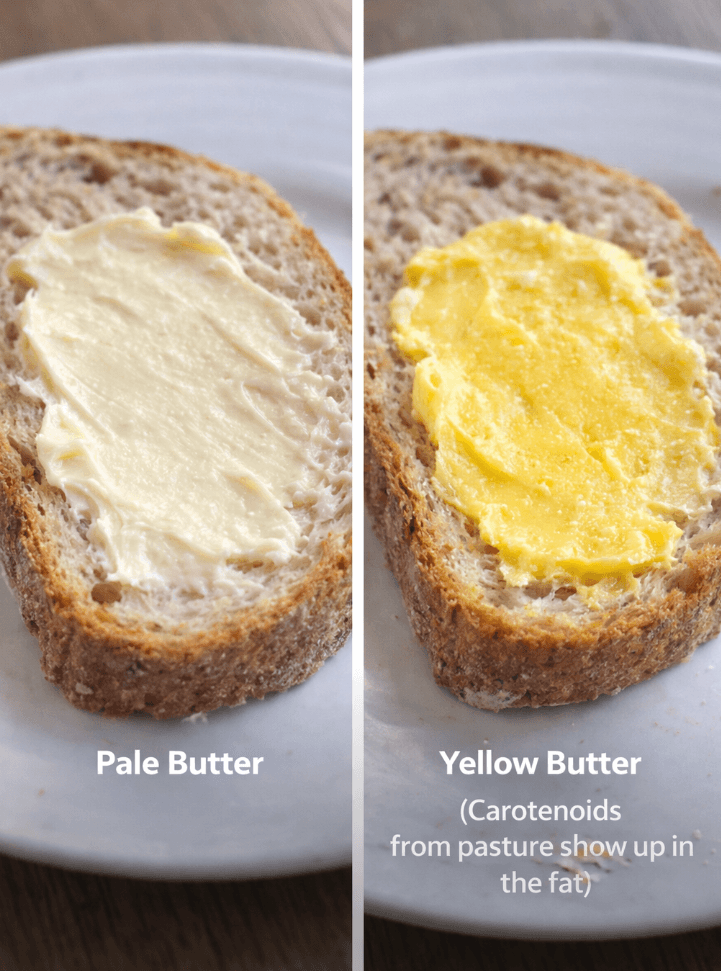
- Beta-carotene levels can be more than 2x higher in high-pasture systems.
- Compounds like lutein also increase with fresh forage intake.
Best Signal
- A deeper yellow color in butter or cream often reflects higher carotenoid content from grass.
Antibiotics and System Intensity
Feed does not directly determine antibiotic use, but production systems influence disease pressure.
- Factors include housing density, hygiene, and herd management.
- U.S. data shows antimicrobial use in food animals increased 16% from 2023 to 2024, but remains below earlier peaks.
This is a systems issue, not just a feed issue.
What To Check Before You Buy
If your goal is to reduce corn and soy influence, focus on verifiable signals.
- Look for explicit 100% grass-fed and no grain claims.
- Check for third-party certifications or detailed sourcing standards.
- Review whether brands publish fatty acid or nutrient data.
- Understand that labeling alone can Does Not Guarantee full diet transparency.
The key is recognizing that milk reflects the cow’s diet. Feed choices shape fats, nutrients, and sometimes broader system characteristics.
Check the latest on dairy
Find the healthiest dairy ranked and reviewed using the latest lab data, toxicology, and environmental health research.
References
Penn State Extension — Total Mixed Rations for Dairy Cows
USDA AMS — Organic Handbook 5017-1
USDA AMS — Organic Pasture Rule Overview
PubMed — Grassmilk vs Organic vs Conventional Milk Fatty Acids
PLOS One — Organic vs Conventional Milk Study
Federal Register — Withdrawal of Grass-Fed Standard