

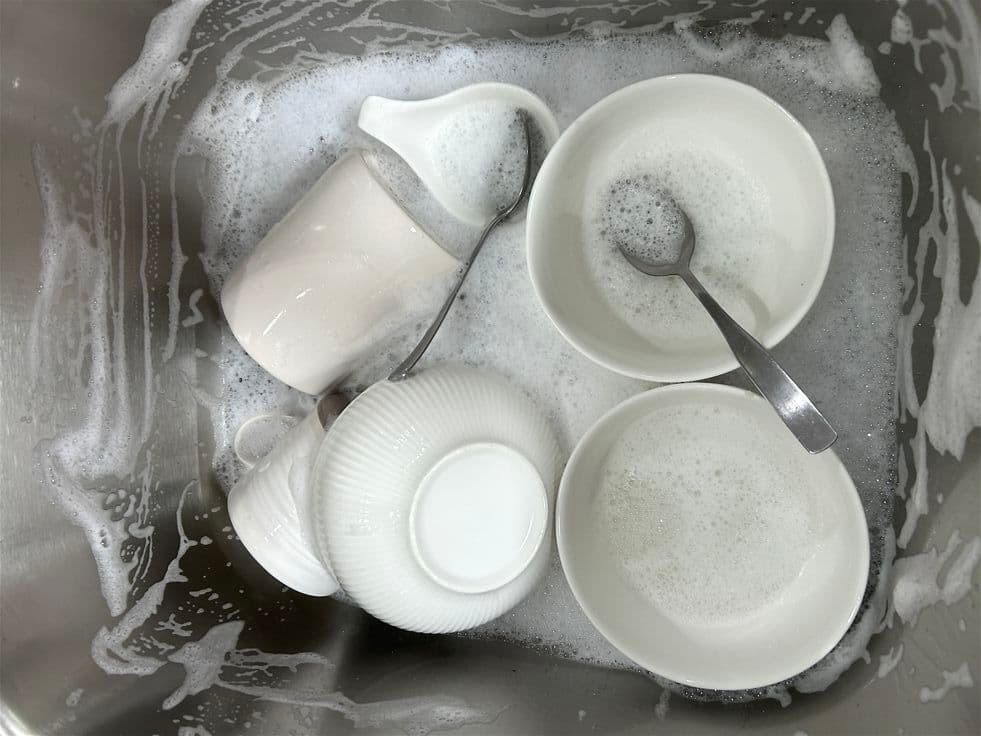
Dish Soap Ingredients And Hidden Chemical Risks
Surfactants, preservatives dyes, and ethanolamines raise health concerns.
The biggest factor in dish soap is not how well it cuts grease. It is the ingredient profile behind that performance, especially surfactants and preservatives that stay on your hands with daily use.
Those “power clean” upgrades often mean higher surfactant strength, added preservatives, and cosmetic additives like dyes or fragrance. The evidence shows these changes can improve cleaning, but they also introduce ingredients linked to irritation, sensitization, or environmental concerns.
The research points to a clear pattern. Some ingredients are known irritants under repeated exposure, while others are more about formulation stability than safety. That distinction matters because a stronger clean does not necessarily mean a safer product, and marketing language rarely reflects the tradeoffs.
Buyer Checklist
- Check ingredient lists for ethanolamine compounds such as MEA, DEA, or TEA.
- Avoid products with unnecessary dyes or fragrances when possible.
- Look for detergents that disclose full ingredient lists instead of generic “cleaning agents.”
- Prefer simpler formulas with fewer preservatives and additives.
- Consider products tested for toxicology, environmental impact, and endocrine disruption risks.
Why So Many Dish Soaps Promise Less Scrubbing
Walk down the cleaning aisle and you will see dozens of dish soaps promising stronger grease removal. Labels emphasize antibacterial claims, thicker suds, and “ultimate clean” formulas.
Most of these upgrades come from adjusting existing chemistry rather than introducing new breakthroughs.
Common formulation changes include:
- Higher concentrations of surfactants to break apart grease molecules
- Added foaming agents to create thicker suds
- Preservatives to prevent microbial growth in water based formulas
- Dyes and fragrances to signal freshness
These changes can improve performance. They can also increase exposure to ingredients that raise health or environmental questions.
Sodium Lauryl Sulfate and the Chemistry Behind Less Scrubbing
Sodium lauryl sulfate, or SLS, is one of the most widely used surfactants in dish soap. It reduces surface tension so water can spread and lift oils from surfaces.
In practical terms, it helps grease detach and rinse away more easily.
Key facts about SLS:
- Typically used at concentrations between about 1 percent and 30 percent in cleaning products
- Represents a major share of global surfactant production
- Known to disrupt skin barrier lipids in controlled lab settings
Dermatology research frequently uses SLS to induce irritation in experiments. In these studies, exposure can lead to redness, scaling, and inflammation within one to two days.
For everyday users, exposure is diluted. Repeated contact during dishwashing can still irritate sensitive skin over time.
The Preservative Problem in Liquid Dish Soap
Liquid soaps contain significant amounts of water. That creates a risk of microbial growth during storage.
To prevent this, manufacturers rely on preservatives.
One commonly used preservative is methylisothiazolinone.
Research findings show:
- It is widely used as an antimicrobial in cleaning and personal care products
- Regulatory agencies limit its concentration due to sensitization risk
- Dermatology clinics identify it as a frequent cause of contact dermatitis
Over the past decade, reports of allergic reactions linked to isothiazolinones have increased. Symptoms include itching, rashes, and blistering in sensitive individuals.
Ethanolamine Compounds and Nitrosamine Formation
Some detergents include ethanolamine compounds such as MEA, DEA, or TEA.
These ingredients are used for:
- Adjusting pH
- Stabilizing foam
- Helping oil and water mix
The concern comes from their ability to form nitrosamines under certain conditions.
Key toxicology insights include:
- Nitrosamines include several compounds classified as carcinogenic in animal studies
- Research shows links to liver, kidney, and nasal tumors in laboratory models
- Regulatory agencies monitor and restrict conditions that could lead to their formation
The risk depends on formulation and contamination pathways. The presence of ethanolamines alone Does Not Guarantee nitrosamine formation, but it is a known pathway regulators watch closely.
Dyes and Additives That Add Nothing to Cleaning
Many dish soaps include dyes and fragrances for visual and sensory appeal.
Common examples include:
- Blue or green dyes to signal freshness
- Citrus or ocean scent blends
- Optical brighteners that make surfaces appear shinier
These ingredients rarely improve cleaning performance.
Some dyes are petroleum derived and linked to aquatic toxicity. Fragrance mixtures can also contain compounds associated with allergic reactions in sensitive individuals.
From a formulation standpoint, these additives are not Legally Required. They are primarily marketing features.
Dishwasher Detergent Marketing vs Chemistry
Dishwasher detergents follow a similar pattern.
Brands often release multiple versions of nearly identical formulas.
Examples include:
- Power clean
- Quantum clean
- Ultimate clean
- Platinum plus
Typical changes involve:
- Adjustments in enzyme levels
- Added rinse aids
- Increased surfactant concentration
- Additional dyes or fragrances
Independent ingredient reviews often show that the core chemistry remains largely unchanged. The perceived differences are often cosmetic or incremental.
What Actually Matters When Choosing a Dish Detergent
Cleaning products range from simple to highly engineered formulations. The safest choice often comes down to reducing unnecessary complexity.
Practical signals to focus on:
- Shorter ingredient lists
- Fewer dyes and fragrances
- Transparent ingredient disclosure
- Avoidance of ethanolamine compounds where possible
The Best Signal is not branding or claims. It is the ingredient list and how much information the manufacturer provides.
The Default Assumption should be that stronger marketing claims reflect performance tweaks, not meaningful safety improvements.
Check the latest on dish soaps and dishwasher detergents
Find the healthiest dish soaps and dishwasher detergents ranked and reviewed using the latest lab data, toxicology, and environmental health research.
References
ScienceDirect — Sodium Lauryl Sulfate and Its Potential Impacts on Organisms and the Environment
Environmental Health Insights — Human and Environmental Toxicity of Sodium Lauryl Sulfate
Cosmetic Ingredient Review — Safety Assessment of Methylisothiazolinone
Environmental Science and Pollution Research — Environmental Risks and Toxicity of Surfactants
Campaign for Safe Cosmetics — Ethanolamine Compounds (MEA, DEA, TEA)
Chinese Journal of Applied Chemistry — Formation of Nitrosamines from Ethanolamines