

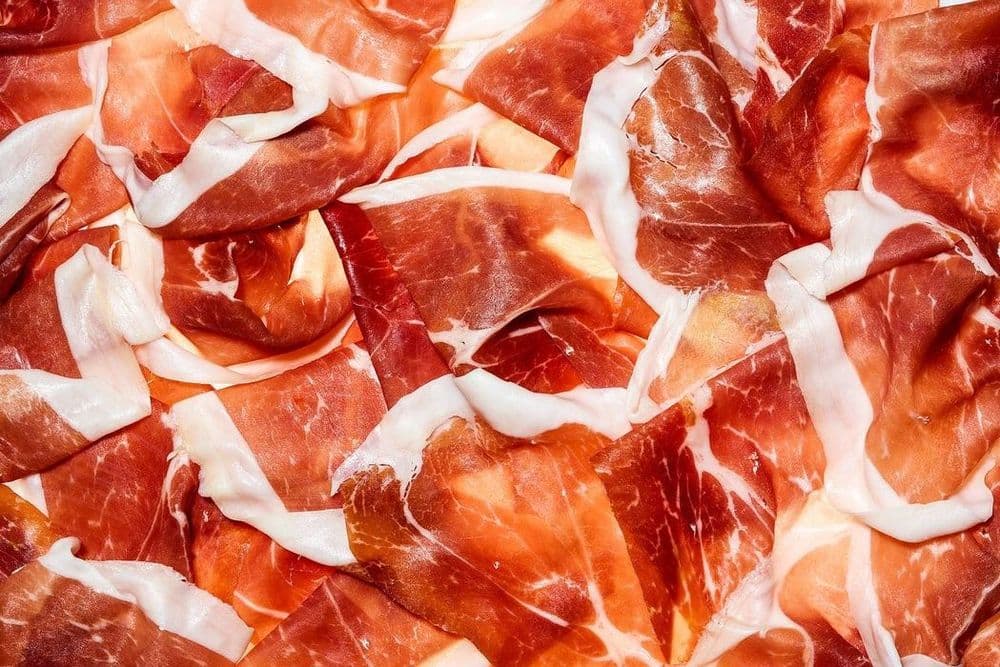
Deli Meat and Cancer Risk Explained
Processed Deli Meat is now classified as a Group 1 Carcinogen
Processed deli meat is classified as a Group 1 carcinogen, the same category as tobacco and asbestos. That classification means the evidence linking it to cancer is strong, not that the risk is equal.
The data shows a real but smaller increase in risk. Regular intake is associated with higher colorectal cancer rates, but it does not carry the same magnitude of harm as smoking. Understanding that distinction matters because it shapes how seriously you should limit exposure without overstating the danger.
Why deli meat is classified as a carcinogen
The World Health Organization placed processed meat in Group 1 after reviewing hundreds of studies across multiple countries and populations.
Key findings from pooled research:
- Consistent association between processed meat intake and colorectal cancer
- Evidence drawn from large cohort studies with hundreds of thousands of participants
- Dose response relationship where higher intake linked to higher risk
Processed meat includes:
- Deli meats
- Bacon
- Sausages
- Hot dogs
- Smoked or cured meats
The classification reflects certainty of evidence, not severity of harm.
What the actual cancer risk looks like
The relative increase in colorectal cancer risk is about 18 percent for people who eat processed meat daily.
That sounds large, but absolute risk tells a clearer story:
- Average lifetime colorectal cancer risk is about 4 percent
- Daily processed meat intake raises it to roughly 5 percent
In practical terms:
- 1 additional case per 100 people over a lifetime
- Much smaller than risks tied to smoking or heavy alcohol use
Colorectal cancer remains serious:
- Second leading cause of cancer death in the United States
- Leading cause of cancer death in adults under 50
Why rates are rising in younger people
Recent epidemiology shows a sharp increase in early onset colorectal cancer.
Observed trends:
- 500 percent increase in children ages 10 to 14 since 1999
- 333 percent increase in teens over the same period
- Rising incidence in adults under 50 across multiple countries
Researchers point to a combination of exposures:
- Ultra processed diets
- Environmental contaminants
- Food additives accumulating over time
- Gut microbiome disruption
These trends are concerning because they suggest long term exposure patterns are shifting, not just aging effects.
How deli meat may contribute to cancer
Several biological mechanisms explain the link between processed meat and cancer.
Nitrites and N-nitroso compounds:
- Nitrites are added to preserve color and prevent bacterial growth
- In the gut, they react with heme iron and amino acids
- This forms N-nitroso compounds (NOCs)
- NOCs can bind directly to DNA and trigger mutations
High heat and smoking byproducts:
- Cooking and smoking generate heterocyclic amines (HCAs)
- Polycyclic aromatic hydrocarbons (PAHs) also form
- These compounds are known to damage DNA
- Similar compounds are found in cigarette smoke
This combination creates multiple pathways for cellular damage over time.
Are uncured deli meats safer
Some products are labeled uncured and use celery powder instead of synthetic nitrites.
What actually happens:
- Celery naturally contains nitrates
- These convert into nitrites during processing
- The same N-nitroso compounds can still form in the body
This means uncured does not eliminate the core issue.
Default Assumption: Uncured deli meat is safer
Reality: It often produces similar compounds once digested
Is there a way to reduce risk
One processing method stands out as different.
High pressure processing:
- Uses pressure instead of chemical preservatives
- Kills bacteria without adding nitrites
- Does not rely on curing reactions
- Preserves nutritional content more directly
This approach avoids one of the main pathways that leads to harmful compound formation.
What this means in practice
The evidence supports moderation, not panic.
Important context:
- Risk increases with frequency and long term exposure
- Occasional intake is unlikely to meaningfully change lifetime risk
- Daily consumption creates a measurable shift over time
This is a cumulative exposure issue, not a single meal problem.
Buyer Checklist
- Limit daily or frequent deli meat consumption
- Do not assume uncured products are safer
- Look for brands using high pressure processing
- Rotate protein sources instead of relying on processed meats
- Pay attention to long term dietary patterns
Check the latest on deli meats
Find the healthiest deli meats ranked and reviewed using the latest lab data, toxicology, and environmental health research.
References
International Agency for Research on Cancer — Monographs Volume 114
American Cancer Society — Colorectal Cancer Facts and Figures
National Cancer Institute — Processed Meat and Cancer Risk
BMJ — Meat intake and cancer risk prospective cohort study