

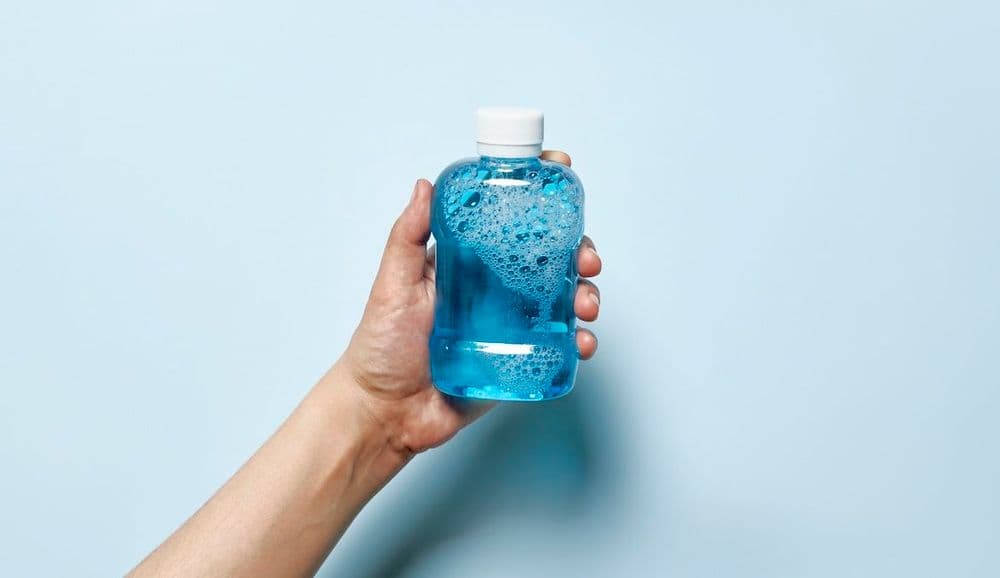
Is Daily Mouthwash Dangerous?
Daily mouthwash may disrupt oral bacteria tied to blood pressure and glucose.
The biggest hidden variable in mouthwash is not freshness or cavity protection. It is the impact on your oral microbiome and its role in nitric oxide production. Antiseptic formulas can suppress bacteria that help regulate blood pressure and metabolic signaling, with measurable drops in nitrite levels seen in controlled trials.
What the research suggests is nuanced. Frequent antiseptic use is linked to higher risk markers like prediabetes and reduced exercise benefits, but it Does Not Guarantee disease on its own. The pattern points to a biologically plausible disruption that matters most with long term, twice daily use rather than short term or occasional rinsing.
Buyer Checklist
- Avoid mouthwashes with chlorhexidine, cetylpyridinium chloride, or high alcohol content for daily use.
- Look for microbiome-friendly or non-antiseptic formulations.
- Consider saltwater rinses or oil pulling as lower-disruption alternatives.
- If you have high blood pressure or insulin resistance, discuss daily antiseptic rinses with your clinician.
- Use antiseptic mouthwash short term when medically necessary, not as a lifelong habit.
Is Daily Mouthwash Bad for Your Health
Using mouthwash every day may feel harmless. Emerging research suggests some antiseptic formulas can interfere with cardiovascular and metabolic signaling.
Most popular brands rely on broad spectrum antiseptics that kill both harmful and beneficial bacteria. Your mouth is not sterile by design and plays an active role in systemic health.
Oral bacteria help convert dietary nitrates from foods like spinach and beets into nitrites. Your body then uses nitrite to support nitric oxide biology.
Nitric oxide is a key signaling molecule that supports:
- Blood vessel relaxation and dilation
- Lower blood pressure
- Oxygen delivery to muscles
- Insulin sensitivity
When antiseptic rinses suppress nitrate-reducing bacteria, this pathway can be disrupted. That disruption is one reason daily long term antiseptic use is under scrutiny.
Mouthwash and Blood Pressure
Controlled trials provide some of the clearest evidence. In a crossover study of healthy adults, participants used chlorhexidine mouthwash twice daily for seven days.
Researchers measured salivary nitrite and blood pressure before and after use. They found:
- Around 90% reduction in oral nitrite production
- Increase in systolic blood pressure of about 2 to 3.5 mmHg
- Reversal of the effect after stopping the rinse
Other studies have shown similar increases in blood pressure after antiseptic mouthwash use. These findings reinforce the role of oral bacteria in vascular regulation.
A 2 to 3 mmHg rise may seem small. At a population level, even modest increases in systolic pressure are associated with higher cardiovascular risk.
Mouthwash and Prediabetes Risk
A Harvard-led study followed 945 overweight and obese adults over three years. Researchers tracked mouthwash use alongside new cases of prediabetes and diabetes.
Compared to people using mouthwash less than twice per day, those using it at least twice daily had:
- 55% higher risk of developing prediabetes or diabetes
- Persistent association after adjusting for age, BMI, smoking, and other factors
This was an observational study. It shows correlation, not direct causation.
The mechanism is biologically plausible. Reduced nitric oxide availability has been linked to:
- Endothelial dysfunction
- Impaired glucose uptake
- Higher fasting blood sugar
Disrupting oral bacteria may be one overlooked contributor.
Mouthwash and Exercise Performance
Exercise naturally increases nitric oxide signaling. This supports blood flow and lowers blood pressure after a workout.
In controlled studies, participants who used antibacterial mouthwash after aerobic exercise showed:
- More than 60% reduction in the normal post-exercise blood pressure drop
- Significantly lower plasma nitrite levels
In practical terms, antiseptic mouthwash reduced much of the cardiovascular benefit of exercise. This highlights how oral bacteria contribute to whole-body physiology.
Oral Bacteria and Modern Disease
Tooth decay is common today, but anthropological evidence suggests much lower rates in pre-industrial populations eating whole foods. Diet and microbial balance appear tightly linked.
Broad spectrum antiseptics such as:
- Chlorhexidine
- Cetylpyridinium chloride
- Strong antibacterial essential oil blends
- High alcohol formulations
can suppress nitrate-reducing species and reduce salivary nitrite. This may translate into measurable systemic effects.
Correlation vs Causation
Not every mouthwash user will develop health issues. Several limitations are important:
- Some studies are short term mechanistic trials
- Others are observational and cannot prove cause
- Individual microbiomes vary widely
However, multiple independent findings point in the same direction. The concern centers on daily long term antiseptic use in otherwise healthy people.
Safer Alternatives to Daily Antiseptic Mouthwash
If you are using mouthwash for routine hygiene, antiseptic formulas may not be necessary. Less disruptive options include:
- Saltwater rinses
- Oil pulling with coconut oil
- Microbiome-friendly mouthwashes
- Strong brushing, flossing, and diet habits
Short term antiseptic use can be Legally Required in clinical contexts like post-procedure care. Long term daily use is a different exposure pattern.
Your oral bacteria may be a Best Signal of metabolic and cardiovascular health rather than something to eliminate.
Check the latest on Mouthwash
Find the healthiest Mouthwash ranked and reviewed using the latest lab data, toxicology, and environmental health research.
References
NCBI — Nitric Oxide and Oral Bacteria (PMC5475221)
AHA Journals — Hypertension: Antiseptic Mouthwash and Blood Pressure
ScienceDirect — Nitric Oxide: Mouthwash Use and Prediabetes Risk
Journal of Applied Physiology — Mouthwash After Exercise and Blood Pressure Effects