

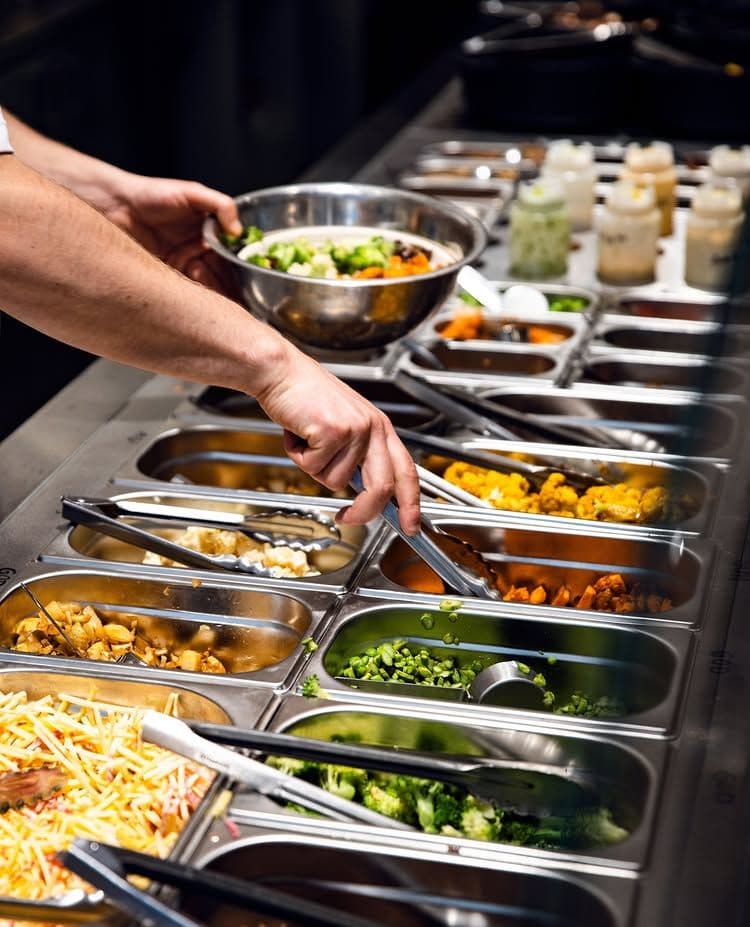
College Meal Plan Is More Expensive Than Groceries
Learn costs, contracts, credit rules and smartest grocery cooking options today.
College meal plans are supposed to be simple, an all in one solution, but the real cost depends on factors that are easy to miss. The biggest variable is how pricing is structured, including prepaid credits that expire and per meal costs that often exceed grocery equivalents.
The data shows rising costs and mixed value. Meal plans have increased faster than food inflation, and while they ensure access, they do not necessarily reflect actual usage or quality, which makes understanding tradeoffs critical before committing.
Buyer Checklist
- Check whether first year students are required to purchase a meal plan.
- Calculate the true per meal cost of the plan compared to groceries.
- Look at rules for unused dining credits and refunds.
- Identify grocery stores near campus for healthier alternatives.
- Compare on campus meal plans with cooking at home costs.
Why College Meal Plans Are Often Mandatory
Many universities require first year students who live in dorms to purchase campus dining plans.
The policy is framed as a way to guarantee food access and simplify logistics.
In practice, this requirement locks students into prepaid systems even if they prefer alternatives.
Opting out is often restricted due to bundled housing and dining policies.
Common requirements include:
- Mandatory meal plans for residence hall students
- Limited or no opt out during freshman year
- Dining credits restricted to campus locations
- Contracts lasting a full semester or academic year
How Expensive Campus Meal Plans Really Are
College meal plan costs have increased sharply over the past decade.
Several analyses show they have risen faster than general food prices.
Key cost data includes:
- Average U.S. meal plan cost is about $5,656 per academic year
- Public universities average around $5,118 annually
- Private universities average about $6,242 annually
- Dining plan prices rose roughly 47% over a decade
- National food prices rose about 26% in the same period
Per meal costs can exceed $10 to $20 depending on structure.
This is significantly higher than home cooking averages.
For comparison:
- Average annual food spend per person in the U.S. is about $4,000
- Home cooked meals average roughly $4 per meal based on federal data
Who Actually Runs Campus Dining
Many universities outsource dining to large multinational food service companies.
These vendors handle sourcing, preparation, and on campus retail operations.
Major providers include:
- Sodexo
- Aramark
- Chartwells (Compass Group)
These companies also operate in other institutional settings:
- Hospitals
- Military bases
- Prisons
- Corporate cafeterias
- Stadiums
University contracts often include:
- Exclusive vendor agreements
- Revenue sharing models
- Branded fast food partnerships
- Long term contracts lasting 10 years or more
Why Campus Food Can Be Highly Processed
Feeding thousands of students daily requires scale and consistency.
This pushes dining systems toward industrial supply chains.
Foods commonly used are:
- Shelf stable and bulk distributed
- Quick to prepare at scale
- Cost efficient per unit
Typical items include:
- Frozen prepared meals
- Processed meats
- Refined grains
- Packaged desserts
- Industrial cooking oils
These choices improve efficiency but can reduce freshness and nutrient density.
The Problem With Unused Dining Credits
Meal plans often rely on prepaid credits or swipes.
Unused value frequently expires without refund.
Common rules include:
- Credits expire at semester end
- Refunds are rarely allowed
- Partial rollover may still expire later
- Swipes cannot be converted to cash
This creates a system where unused meals translate into lost money.
Students who eat off campus may overpay without realizing it.
Health Impacts of Ultra Processed Diets
Diet quality during college affects long term health patterns.
Large scale research links ultra processed foods with multiple risks.
Key findings include:
- A cohort study of over 100,000 adults found higher intake linked to increased cardiovascular disease risk
- Epidemiological research associates ultra processed diets with obesity and metabolic disease
- Controlled feeding trials show these diets can increase intake by about 500 calories per day
These effects are driven by:
- High energy density
- Lower fiber and micronutrients
- Hyper palatable formulations that increase consumption
How Students Can Find Better Food Options
Students often reduce reliance on dining halls after their first year.
Access to alternatives improves both cost and food quality.
Common strategies include:
- Opting out of plans when allowed
- Shopping at nearby grocery stores
- Cooking simple meals in shared kitchens
- Prioritizing whole foods over cafeteria options
Popular grocery options include:
- Trader Joe's
- Sprouts
- Costco
- Local farmers markets
- Discount grocery chains
The Bottom Line
College meal plans provide convenience but come with tradeoffs.
Understanding pricing, contracts, and usage patterns helps students make better decisions.
Combining limited dining use with grocery shopping and simple cooking can improve both cost efficiency and nutrition.
Check the latest on healthy grocery options
Find the healthiest grocery foods ranked and reviewed using the latest lab data, toxicology, and environmental health research.
References
ELFI — The Cost of School Meal Plans in 2025
Money — Why College Food Is So Expensive
College Board — Trends in College Pricing and Student Aid
Business Insider — College Dining Halls Have Become Shockingly Expensive